Introduction
Space is the enemy on most piping layouts. Engineers need a shutoff valve that fits between two flanges without adding feet of pipe run or hundreds of pounds of extra weight. That's exactly the problem a wafer type butterfly valve solves.
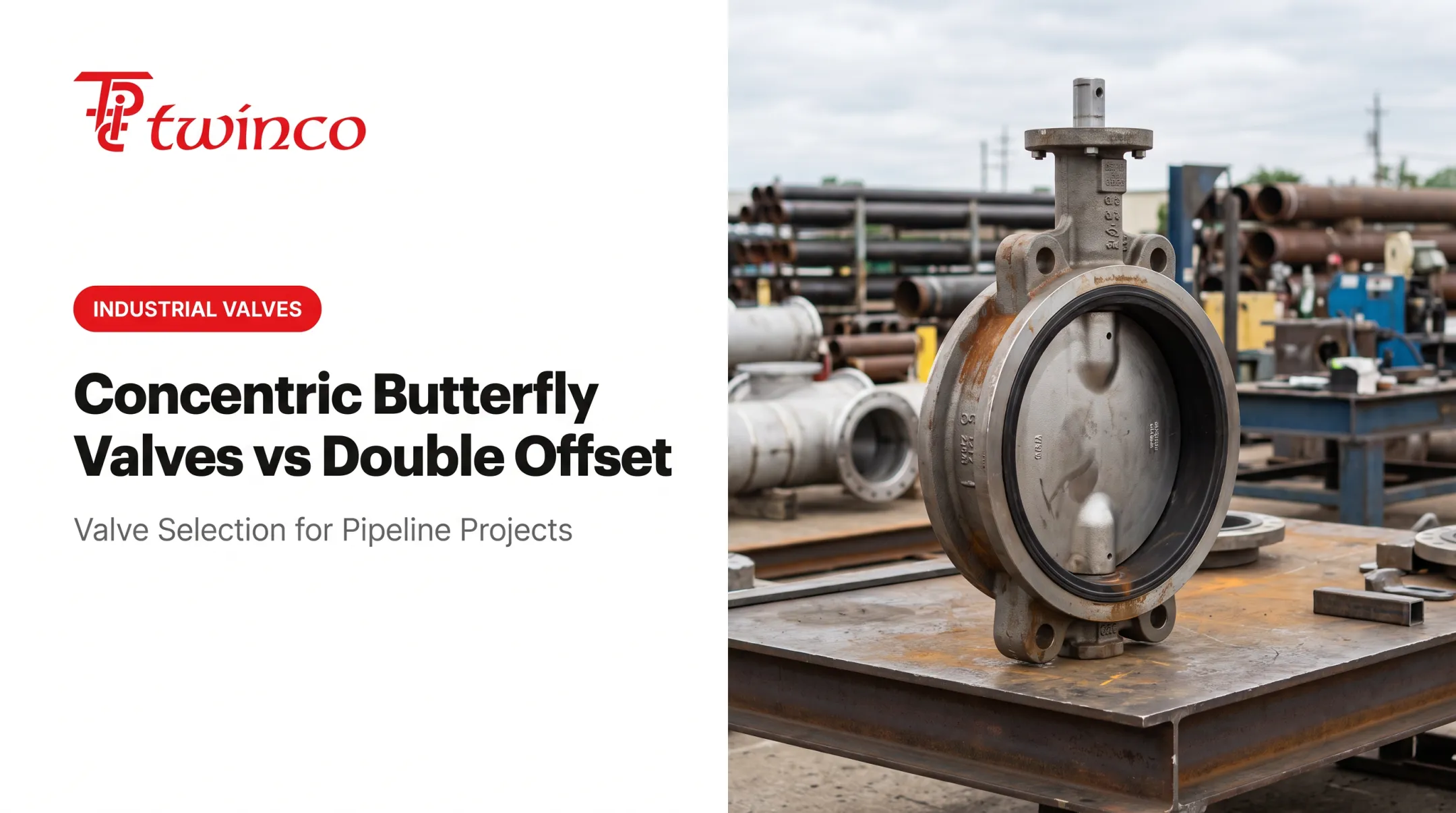
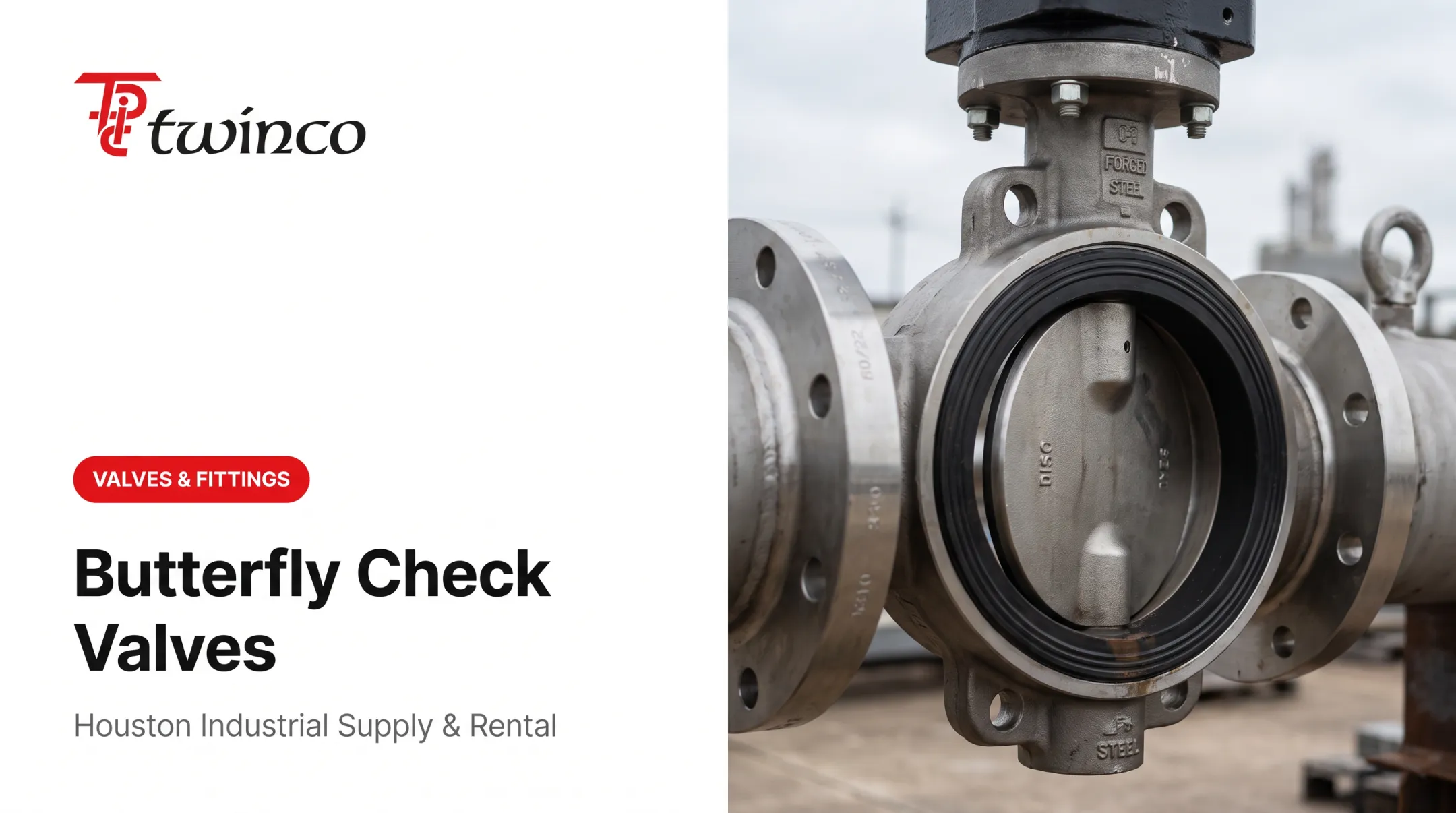
A wafer butterfly valve is a compact, quarter-turn flow-control device that sits between two mating pipe flanges. Surrounding flange bolts hold it in place rather than bolt holes in the valve body. The disc rotates roughly 90 degrees inside the body to open, close, or throttle flow.
Plants and contractors specify wafer valves because they're lighter, quicker to install, and faster to operate than many full-flanged alternatives. But choosing the wrong body style, seat material, or pressure class can turn a routine installation into a leak, a shutdown, or a warranty dispute.
This guide covers how wafer butterfly valves are built, how they compare to lug and double-flanged designs, where they perform well, and what to check before you order or install one.
Key Takeaways
- Wafer butterfly valves clamp between two flanges with through-bolts, not body lugs.
- Wafer, lug, and double-flanged bodies differ in removal, maintenance access, and end-of-line use.
- Size by pressure class, temperature, media, materials, and actuation method.
- Follow the manufacturer manual and project spec; body styles are not interchangeable.
What Is a Wafer Butterfly Valve?
A wafer butterfly valve controls flow with a disc mounted on a stem, rotating about a quarter turn inside a compact body. Close the disc and it seats against a resilient or metal seat to stop flow. Open it fully and the disc sits nearly parallel to the flow path, creating minimal restriction.
Core Components and Their Role
Every wafer butterfly valve shares the same basic parts:
- Body: Transfers flange clamping force and keeps internal parts aligned
- Disc: Rotates to open, close, or throttle flow
- Stem (shaft): Links the handle or actuator to the disc and carries torque
- Seat: Seals around the disc; in many resilient designs, also acts as the flange gasket
- Actuator or manual operator: Lever, gearbox, or pneumatic/electric unit that turns the stem
The body sits between the two pipe flanges. Bolts pass through both flanges and the valve body holes so the joint stays in compression. There are no threaded lugs; the pipe flanges do the clamping. That clamp-in-place layout is the defining feature of a true wafer design.
API Standard 609 treats wafer, lug, and double-flanged bodies as distinct butterfly valve styles, each with its own dimensional and pressure-temperature rules.
Throttling vs. Isolation Service
Butterfly valves can isolate flow (fully open or closed) or throttle it (partially open to regulate rate). Not every wafer valve is rated for both duties. Some resilient-seated designs are built primarily for on/off isolation, while high-performance or metal-seated versions may carry a manufacturer's rating for continuous throttling. Check the product documentation before specifying a wafer valve for frequent throttling duty.
Manual and Automated Operation
Wafer butterfly valves can be operated by:
- A manual lever for quick, low-torque service
- A manual gearbox for larger sizes or higher torque requirements
- Pneumatic or electric actuators for remote or automated control
Before you order, match the operator to the valve and the plant:
- Confirm actuator torque meets the valve’s required torque
- Set or verify the fail-safe position
- Align control signals with the plant control system
Matching Materials to the Service
Body, disc, stem, and seat materials must match the media, temperature, and corrosion conditions in the line.
Seat elastomers differ widely in service range. Peroxide-cured EPDM has documented compatibility with chlorine and chloramine additives common in water treatment, per third-party ASTM D6284 testing cited in Bray's water-industry guide. FKM seats cover higher-temperature duty.
Do not pick a seat or body material by size alone. Use the manufacturer’s material and temperature tables for the exact model.
Wafer vs. Lug and Flanged Butterfly Valves
Three body styles are common in valve specs: wafer, lug, and double-flanged. All use the same quarter-turn disc mechanism, but the connection method changes how the valve installs, maintains, and holds pressure.
Wafer vs. Lug Bodies
Lug-style valves have threaded lug holes cast into the body, so bolts thread directly into the valve rather than passing through both flanges. Wafer valves, by contrast, are mounted with bolts or studs that extend through both mating pipe flanges, as DeZURIK's product documentation explains.
That distinction affects maintenance:
- Lug valves: May allow one-sided removal or dead-end service only when the model is rated for it
- Lug dead-end ratings: Some makers allow full bidirectional pressure; others limit unidirectional service only
- Wafer valves: Need both adjoining flanges addressed during removal; the valve is not self-supporting once bolts come out
- Wafer isolation: Depressurize and isolate the line on both sides before unbolting
Wafer vs. Double-Flanged Bodies
A double-flanged (flanged) butterfly valve has its own integral flanges built into the body, bolted independently to each mating pipe flange. A wafer valve has no independent flange of its own — it relies entirely on the surrounding pipe flanges for the bolted connection.
| Factor | Wafer | Lug | Double-Flanged |
|---|---|---|---|
| Connection method | Clamped between flange bolts | Threaded lugs; bolts don't pass through | Independent flanges bolted to each pipe flange |
| Installation space | Most compact | Compact | Longest face-to-face, heaviest |
| One-sided removal | Not typical | Possible on rated models | Not typical without removing both sides |
| End-of-line service | Requires manufacturer verification | Common on rated models | Rare, model-dependent |
Don't select a valve on nominal size alone. Before ordering, verify:
- Flange drilling pattern and face-to-face dimension
- Pressure class and seat design
- Manufacturer-approved service conditions
Never assume a wafer valve is fine for dead-end or end-of-line service. That use needs a specific manufacturer rating plus proper downstream flange or blind-flange protection.
Applications and Benefits of Wafer Butterfly Valves
Wafer butterfly valves show up across a wide range of industrial piping systems, including:
- Water and wastewater treatment
- HVAC and utility piping
- Industrial process lines
- Petrochemical facilities
- Pipeline support systems
- Fire protection (approved models only)
- General isolation service
Why Plants Choose the Wafer Format
The wafer body's biggest draw is footprint. Compared with a double-flanged valve of the same size, a wafer valve takes up less face-to-face space and generally weighs less to install. Exact weight and cost savings depend on the size, pressure rating, and construction selected.

Plants also gain:
- Faster cycling from quarter-turn operation versus multi-turn gate or globe valves
- Resilient seats in multiple elastomers for water treatment and chemical service
- A compact body that fits tight piping layouts and retrofit work
Matching the seat material to the fluid is what drives long-term sealing performance.
Where Extra Review Is Needed
Some conditions call for closer engineering review before specifying a standard wafer valve:
- Abrasive slurries or high solids content
- High-temperature service beyond standard elastomer ranges
- Aggressive or concentrated chemicals
- Frequent throttling duty
- Vacuum service
- Applications requiring bubble-tight shutoff or fire-safe certification
For any of these, pull the manufacturer's data sheet, applicable standard, or engineering reference before assuming a general-purpose wafer valve will hold up.
A slurry-rated or high-temperature product line may exist specifically for that service. It is not interchangeable with a standard water-service model.
How to Select the Right Wafer Butterfly Valve
Specifying a wafer butterfly valve means working through piping data, process conditions, and materials before you ever look at price.
Start With the Piping Requirements
Confirm these basics first:
- Nominal pipe size and flange standard/drilling pattern
- Face-to-face dimension and available installation space
- Pressure class and design pressure/temperature
- Whether the system calls for a resilient-seated, high-performance, or metal-seated design
Evaluate Process Conditions and Materials
Review these process factors:
- Fluid type, solids content, corrosiveness, and viscosity
- Flow direction and expected cycling frequency
- Isolation, throttling, or combined duty requirements
Match body, disc, stem, and seat materials to the fluid and temperature range. For regulated or critical service, require documented material data or test reports rather than a general spec sheet.
Select the Operating Method and Confirm Documentation
Factor in how the valve will be operated:
- Torque, accessibility, and required cycling speed
- Fail-safe position and emergency shutdown needs
- Available utilities and control signal compatibility
Before ordering, verify design standard compliance, pressure-temperature rating, leakage classification, and any project-specific documentation the job requires.

Buyer's Checklist
- Size and pressure class confirmed against piping specs
- Flange pattern and face-to-face dimension verified
- Body, disc, stem, and seat materials matched to service
- Actuator type, torque, and fail-safe position confirmed
- Seat type and end-of-line rating checked
- Service media, temperature, and cycling frequency documented
- Delivery timing confirmed against project schedule
- Required certifications and documentation requested
Twinco Industrial stocks wafer, lug, and double-eccentric butterfly valves from ½ inch through 54 inches, in carbon steel, stainless steel, brass, and alloy options across a range of pressure ratings.
If you're weighing body style, seat material, or flange compatibility against a project spec, the inside sales team can review the requirements and check current availability alongside the flanges, gaskets, and bolting needed to complete the installation.
Installing and Maintaining a Wafer Butterfly Valve
Correct installation matters as much as selecting the right wafer butterfly valve.
Preparing for Installation
Before the valve goes in:
- Isolate and depressurize the line
- Verify correct valve orientation for flow direction and disc rotation
- Inspect flange faces for damage or debris
- Clean the pipe interior
- Confirm the valve and bolts match the system's flange rating and drilling
Placing the Valve Between Flanges
Keep the disc in the position specified by the manufacturer (usually slightly open) during insertion so the disc edge does not strike the pipe bore or flange face.
During placement:
- Align the valve and flanges by hand
- Never force the body into position
- Never use the valve to spread the flanges apart
Once positioned, rotate the disc through a full close-to-open cycle. Confirm it clears the pipe bore, welds, and fittings on both sides.
Gaskets, Bolting, and Commissioning
Some resilient-seated wafer valves use the seat itself as the sealing gasket against both flange faces. Others need separate gaskets per the valve design or piping specification. Check the manufacturer's documentation rather than assuming either way.
When bolting up:
- Tighten flange bolts in a controlled cross (star) pattern
- Use only the torque values in the manufacturer's installation manual
- Do not substitute a generic torque figure
Before returning the line to service:
- Pressurize gradually and inspect for leaks
- Verify full actuator travel in both directions
- Confirm open/closed indication matches actual disc position
- Check that the disc rotates freely without binding
Ongoing Maintenance
After commissioning, build those same checks into routine care. Watch for external leakage, unusual operating torque, damaged actuator components, seat wear, corrosion, and deposits.
Fully isolate the line before any disassembly or internal inspection. Intervals depend on service severity, cycling frequency, and media, so follow the manufacturer's recommended inspection schedule for that valve and service.

Frequently Asked Questions
What is the difference between a lug and a wafer butterfly valve?
A lug valve has threaded lug holes that bolts thread directly into, while a wafer valve is held by bolts passing through both mating pipe flanges. Lug designs can sometimes allow one-sided removal, but end-of-line suitability depends on the manufacturer's rating.
What is the main difference between a wafer valve and a flanged butterfly valve?
A wafer valve is clamped between two pipe flanges with no flanges of its own, while a double-flanged valve has integral flanges bolted independently to each pipe flange. Flanged designs typically need more installation space and material.
Do lugged butterfly valves need gaskets?
It depends on seat design, flange arrangement, and the manufacturer or project spec. Some resilient seats double as the gasket; others need separate gaskets—always check the product documentation.
What are the three types of butterfly valves?
The commonly discussed body styles are wafer, lug, and double-flanged. Butterfly valves are also classified by seat material, shaft arrangement, disc geometry, and actuation method, so body style is only one part of the picture.
What is a wafer butterfly valve?
A wafer butterfly valve is a quarter-turn valve installed between two pipe flanges, with the flange bolts clamping the body in place to form the connection and seal.