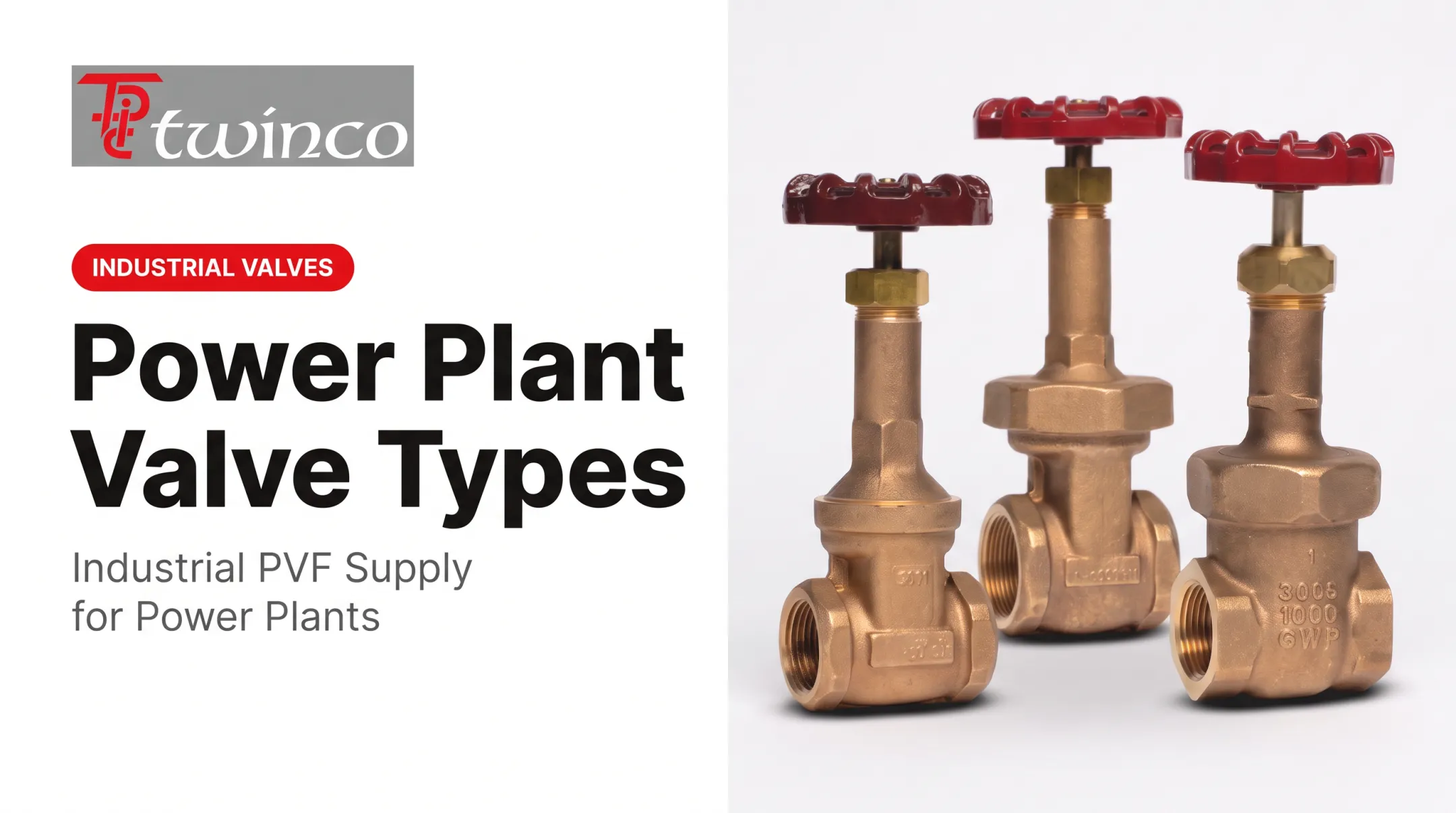
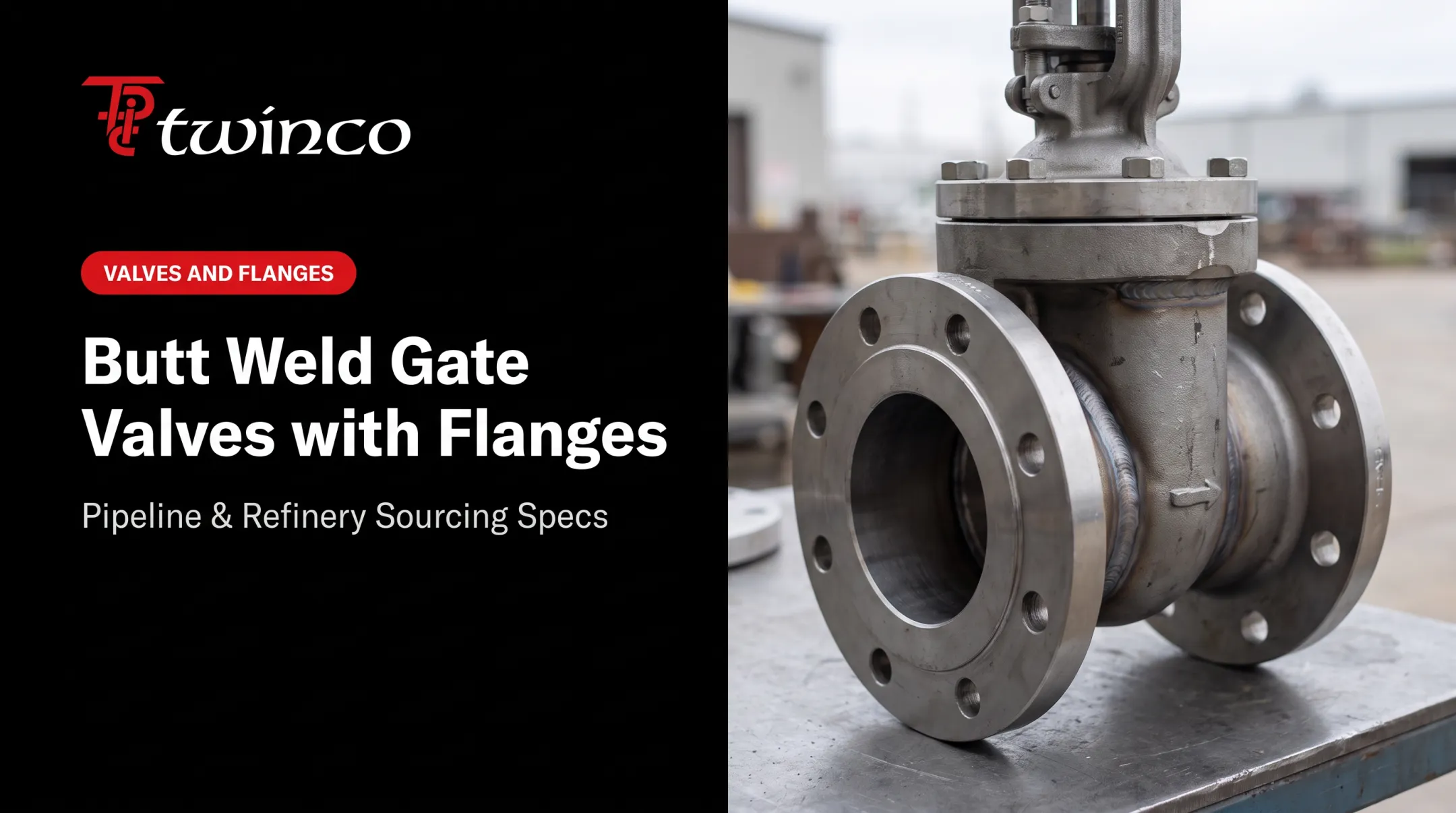
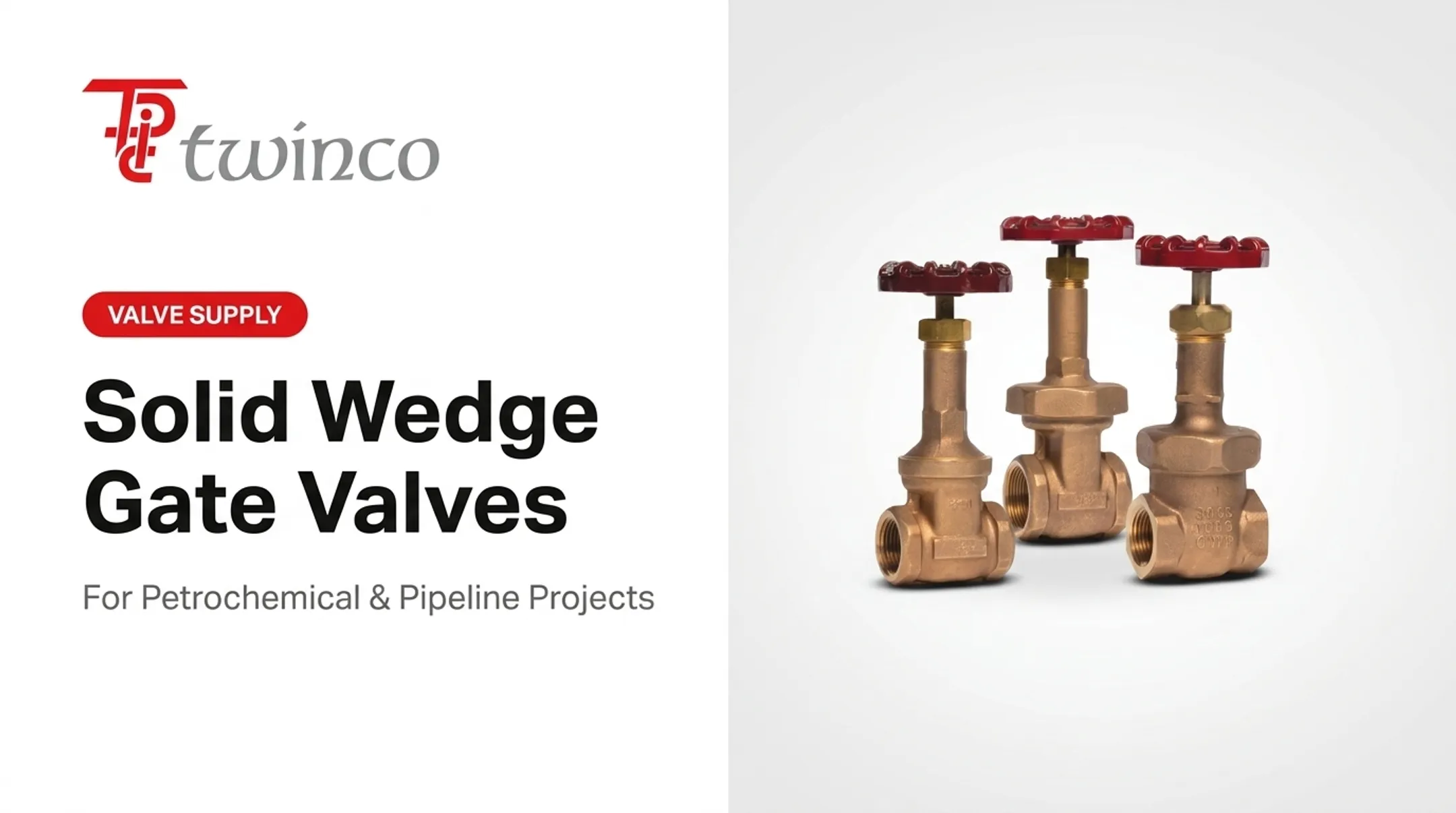
Rising stem valves telegraph their position — you can see the stem climb as the gate opens. Non-rising stem (NRS) valves keep that same stem tucked at a fixed height, trading visibility for a smaller footprint. Both designs shut off flow reliably. The difference shows up in headroom requirements, inspection access, and how confident your crew is about a valve's actual position during an isolation.
Get this wrong on a spec sheet, and you're looking at rejected shipments, rework, or a valve that simply doesn't fit the vault it was ordered for. This guide breaks down operating principles, benefits, limitations, applications, and the OS&Y terminology that trips up a lot of buyers — plus what to confirm before you order.
Key Takeaways
- Rising stem valves show stem travel as the gate moves; non-rising stems stay fixed in height.
- Rising stems make position checks and external packing access simpler.
- Low headroom, buried service, and vault installs favor non-rising designs.
- Neither design wins by default—choose on fluid service, corrosion risk, space, and maintenance access.
- OS&Y means outside screw and yoke on many rising stem valves; confirm on the manufacturer datasheet.
Rising Stem vs. Non-Rising Stem Gate Valves: Quick Comparison
Here's how the two designs stack up across the factors that matter most during specification:
| Factor | Rising Stem (OS&Y) | Non-Rising Stem (NRS) |
|---|---|---|
| Stem movement | Travels up/down with the gate, visible externally | Stays fixed; gate travels along the stem internally |
| Position indication | Visual: stem height shows valve state | Requires an indicator, records, or other verification method |
| Installation clearance | Needs vertical space above the valve for stem travel and yoke | Compact height profile; suited to tighter footprints |
| Maintenance access | External threads and packing are generally easier to inspect and lubricate | Internal stem components can be harder to reach |
| Corrosion/contamination exposure | Operating threads sit outside the pressure boundary but still need protection | Internal threads can be affected by dirty, abrasive, or corrosive media if not properly protected |
| Typical priority | Above-ground plants needing quick visual confirmation | Underground, buried, or headroom-limited installations |
Rising stem valves are commonly built with an outside screw and yoke (OS&Y) configuration, where the threaded screw sits outside the valve body and the yoke supports the operating mechanism above the bonnet.
Industry water-supply standards such as ANSI/AWWA C509 and C515 list "nonrising stems (NRS)" and "outside screw-and-yoke (OS&Y) rising stems" as two distinct categories. That distinction is a useful reference if your spec sheet uses either term loosely.
What Is a Rising Stem Gate Valve?
A rising stem gate valve is an isolation valve where the stem moves linearly (up when the gate opens, down when it closes). Like all gate valves, it's designed for fully open or fully closed service, not throttling.
How it operates: Turning the handwheel or actuator rotates the stem nut. The stem, attached to the gate, travels vertically, pulling the gate clear of the flow path (or seating it back in place). Because the stem is attached to (not threaded into) the gate, that upward or downward motion happens outside the valve body where anyone standing nearby can see it.

That visible movement matters on a plant floor. Operators and maintenance crews get a quick read on valve position without opening it up. Visual confirmation should never replace lockout/tagout procedures or site-specific verification. It's a helpful cue, not a substitute for proper isolation practice.
Benefits and Trade-Offs
Rising stem designs offer:
- Accessible stem and packing for inspection and lubrication
- Easier servicing since operating threads sit outside the pressure boundary
- Reduced exposure of threaded components to the process fluid
The trade-offs are real too:
- Larger vertical envelope required for stem travel and yoke assembly
- Possible interference with overhead structures, piping, or insulation
- Exposed moving parts that need guarding and clearance planning
Where Rising Stem Valves Get Used
Above-ground visibility matters most in refinery units, petrochemical plants, pipeline stations, power facilities, and general industrial process piping. During shutdowns, turnarounds, and emergency isolations, crews need to confirm valve position fast . Rising stem construction supports that.
That same above-ground layout also drives clearance planning. Manufacturer documentation for API 6D-compliant gate valves notes that adequate clearance around the valve is essential for maintenance, with roughly 6 ft 6 in above the operating floor typically sufficient for vertical stem and handwheel arrangements, according to Williams Valve's API-6D installation and maintenance manual.
That's a real number to check against your site drawings before you commit to a rising stem spec.
Twinco Industrial's cast steel gate valve line spans 2" to 48" in Classes 150–2500, with forged steel options from ¼" to 2" up to Class 4500, both available in rising stem configurations for above-ground service.
What Is a Non-Rising Stem Gate Valve?
A non-rising stem (NRS) gate valve keeps the stem at a fixed height. The threaded stem engages the gate directly, so the gate travels up or down the stationary stem when the handwheel turns.

From the outside, an NRS valve looks nearly identical whether it's open or closed. That's the trade-off: the external appearance doesn't reveal the valve's exact position. Facilities using NRS valves typically rely on indicators, operating logs, or physical checks to confirm status.
Why the Compact Profile Matters
The fixed-height stem means no vertical clearance is needed above the valve for stem travel. That makes NRS valves a natural fit for:
- Buried pipelines and underground utility systems
- Valve boxes and vaults
- Water-service installations with limited headroom
- Densely packed plant layouts where overhead space is scarce
AWWA C515 specs for compact NRS valves call out underground, buried, vault, and confined-space installation. The valve still must be properly rated and accessible for operation.
Limitations to Plan Around
- Reduced visual position confirmation compared to rising stem designs
- Internal threads and stem components can be harder to access for inspection
- Correct material selection matters more, since internal components sit closer to the process medium
Before selecting NRS, verify:
- Operating access — handwheel, operating key, or stem extension requirements
- Position indicators — how field crews will confirm open/closed status
- Enclosure conditions — drainage, dimensions, and protection from the surrounding environment
- Inspection arrangements — how the valve gets serviced without full excavation or removal
A compact valve isn't automatically a cheaper one. Weigh purchase price against installation labor, indicator hardware, inspection access, and long-term maintenance before assuming NRS saves money.
Rising Stem vs. Non-Rising Stem: What Is Better for Your Application?
There's no universal winner here: the right answer depends on where the valve lives and how your team operates it. Run through these decision factors:
- Available headroom — is there vertical clearance for stem travel and a yoke assembly?
- Need for visual position confirmation — how critical is it to see valve status at a glance?
- Process-fluid compatibility — corrosive, abrasive, or particulate-heavy media raise the stakes for internal thread protection
- Maintenance access — can your team reach the valve regularly, or is it buried and rarely touched?
- Installation location — above-ground plant floor versus underground vault
- Operating frequency and safety procedures — how often is the valve cycled, and what's your isolation protocol?
Choose rising stem when: the installation allows vertical clearance and the project prioritizes visible position, accessible packing, and straightforward above-ground maintenance.
Consider NRS when: space or headroom is restricted, the valve sits underground or enclosed, and you have a reliable method for operation, position verification, and inspection already in place.
Either way, lock the full service spec before ordering:
- Line size, pressure class, and temperature
- Fluid composition, plus corrosion or erosion potential
- End connections, body and trim materials, and seat arrangement
- Actuation type and applicable codes
Procurement Checklist
- Approved manufacturer or equivalent alternate
- Required certifications and material documentation
- Face-to-face dimensions matching your piping layout
- Actuator or handwheel requirements
- Coating or corrosion protection specs
- Replacement compatibility with existing infrastructure
- Delivery schedule and field access constraints
A Real Example: When Spec Language Wasn't Specific Enough
Vague checklist language still fails in the field. A U.S. GAO bid protest decision on a West Bank water infrastructure project shows what happens when stem type isn't nailed down early.
The project called for 215 Class 300 gate valves for buried water service across roughly 62 km of pipeline. Bid documents required suitability for buried service but never explicitly called out NRS construction.
One bidder proposed OS&Y (rising stem) valves. The water authority rejected them: buried rising stem valves need a stem extension to the surface, and the project had not planned for that. GAO found the specification inadequate and held that the agency had a compelling reason to cancel the bid.

The lesson is simple. "Suitable for buried service" is not the same as "NRS required." Spell out stem type when the installation is underground.
Twinco Industrial supplies rising stem and non-rising stem gate valves across a broad size and pressure-class range, with a partial Approved Manufacturer List available on request.
For a specific size, pressure class, material, or fast turnaround, reach out to our team. Our valve specialists can match the configuration to your project spec before it goes out to bid.
Conclusion
Rising stem gate valves give you visible position feedback and accessible external operating components. Non-rising stem valves trade that visibility for a compact profile that fits where vertical space runs short.
Pick the design that fits your job:
- Service conditions and media
- Maintenance plan and access
- Available vertical clearance
- Documentation and position-indication needs
Confirm the full engineered spec (pressure class, materials, end connections, and applicable standards) before finalizing either design. Twinco Industrial can help you identify available valve options and lead times, but final selection should always match the project's engineered piping specification.
Frequently Asked Questions
What is a rising stem gate valve?
A rising stem gate valve has a stem that moves upward and downward as the gate opens and closes. That visible movement gives operators a quick way to confirm valve position from outside the valve body.
What is the difference between a rising stem gate valve and a non-rising stem gate valve?
Rising stem valves show visible stem travel and need vertical installation clearance. Non-rising stem valves keep the stem fixed in place, offering a more compact footprint suited to restricted-headroom or buried installations.
Is OS&Y (outside screw and yoke) the same as a rising stem gate valve?
OS&Y commonly describes the outside screw and yoke configuration used with many rising stem gate valves, but construction details vary by manufacturer. Always confirm terminology against the specific datasheet.
What is a non-rising stem (NRS) gate valve?
An NRS gate valve keeps its stem at a fixed height while the gate travels along the threaded stem internally. Its compact profile makes it common in buried and space-restricted installations.
What are the two types of gate valve stems?
The two common gate valve stem arrangements are rising and non-rising. Use rising stem when you need visible position indication and have headroom; use non-rising for buried service or tight vertical clearance.