Introduction
Two ball valves can sit side by side on a shelf and look identical. Same size, same end connections, same finish. Open them up, though, and the internal passage tells a different story.
That internal bore size drives pressure loss, pigging compatibility, actuator sizing, and total installed cost. Get it wrong, and you're looking at rework, higher pumping costs, or a pipeline that can't run an inspection tool.
Full bore and reduced bore are also called full port and standard port. The right pick depends on your medium, flow targets, pigging requirements, available space, and budget.
This guide walks through the comparison, real application scenarios, and the specification checks that keep procurement teams and engineers out of trouble.
Key Takeaways
- Bore size is the core split: full bore nearly matches pipe ID; reduced bore runs a smaller passage and higher pressure drop
- Choose full bore for piggable lines, viscous or solids-laden media, and pressure-sensitive systems
- Use reduced bore on clean fluids when cost, size, weight, or actuator load matter more than maximum flow
- Do not use either design for precise throttling: specify a valve built for modulation instead
Full Bore vs Reduced Bore Ball Valves: Quick Comparison
Here's the side-by-side breakdown engineers and buyers usually need first.
| Factor | Full Bore | Reduced Bore |
|---|---|---|
| Flow path | Approximately matches pipe ID | Smaller than connecting pipe ID |
| Pressure drop | Lower resistance, especially at high flow | Additional loss and turbulence possible |
| Cost, size, weight | Larger passage may mean bigger, heavier construction | More compact, potentially lower material and actuator costs |
| Pigging/cleaning | Preferred for pigs, cleaning tools, inspection devices | Can block standard pigs |
| Typical fit | Pipelines, hydrocarbons, viscous fluids, slurries | Clean liquids/gases, utility lines, compact skids |
Flow Path
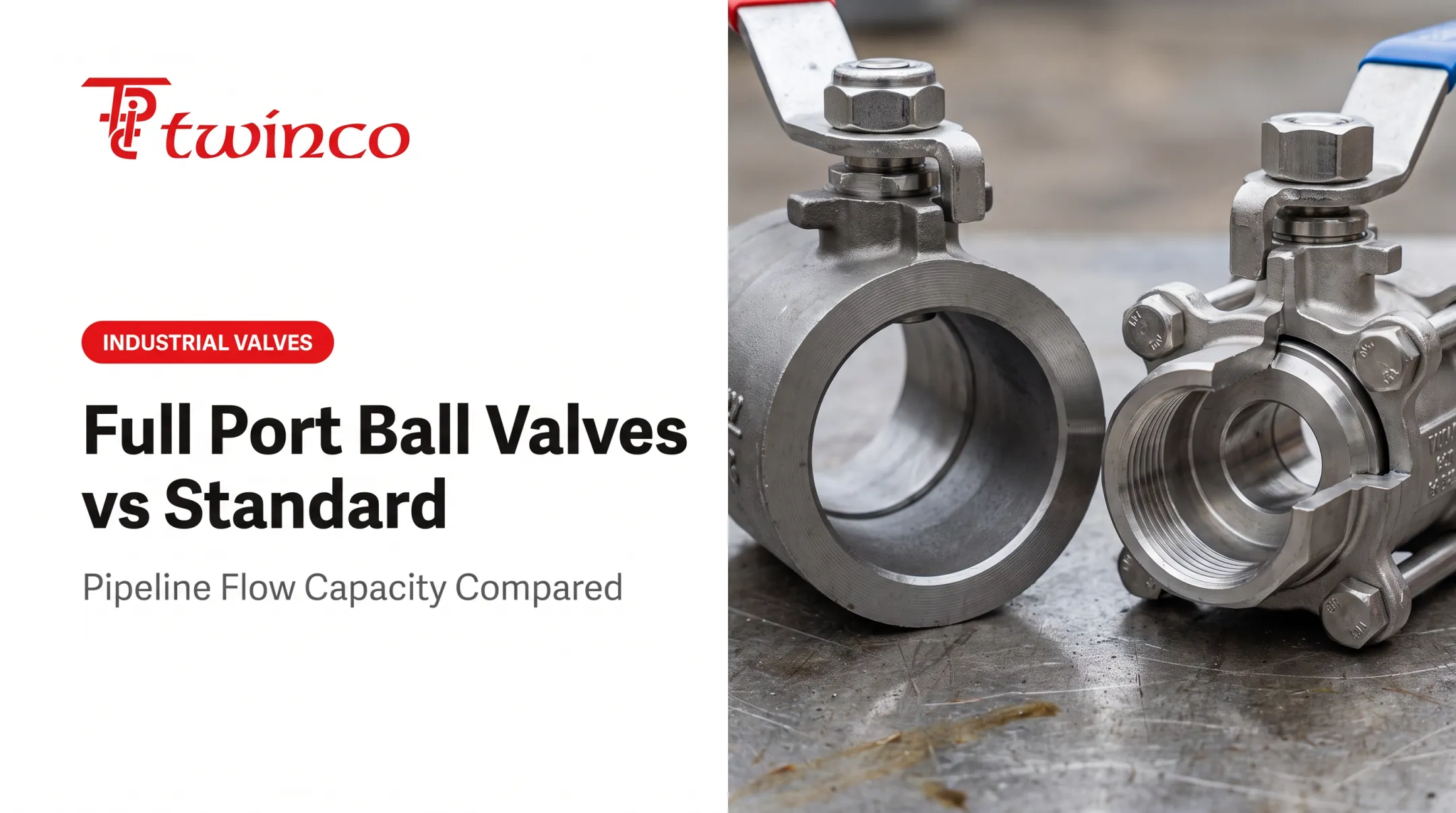
A full bore ball has an opening close to the pipe's internal diameter, creating an unobstructed path once the valve is open. A reduced bore ball has a smaller opening than the connecting pipe, which creates a localized restriction right at the valve.
Pressure Drop and Flow Capacity
Full bore valves generally produce lower resistance and pressure loss, which matters most in high-flow or pressure-sensitive systems. Parker Hannifin explains that standard-port (reduced bore) valves have a bore smaller than the pipe, creating a flow restriction and pressure drop.
How significant that drop becomes depends on flow rate, fluid properties, valve size, and overall system design. It is not a fixed rule. Always verify Cv or Kv data against the manufacturer's flow test results rather than assuming a percentage.
Cost, Size, and Weight
A larger flow passage can require heavier construction, which sometimes raises purchase or installation costs. Reduced bore's smaller design can lower material and handling costs, but this depends entirely on the pressure class and construction. There's no universal price rule.
Maintenance and Pipeline Cleaning
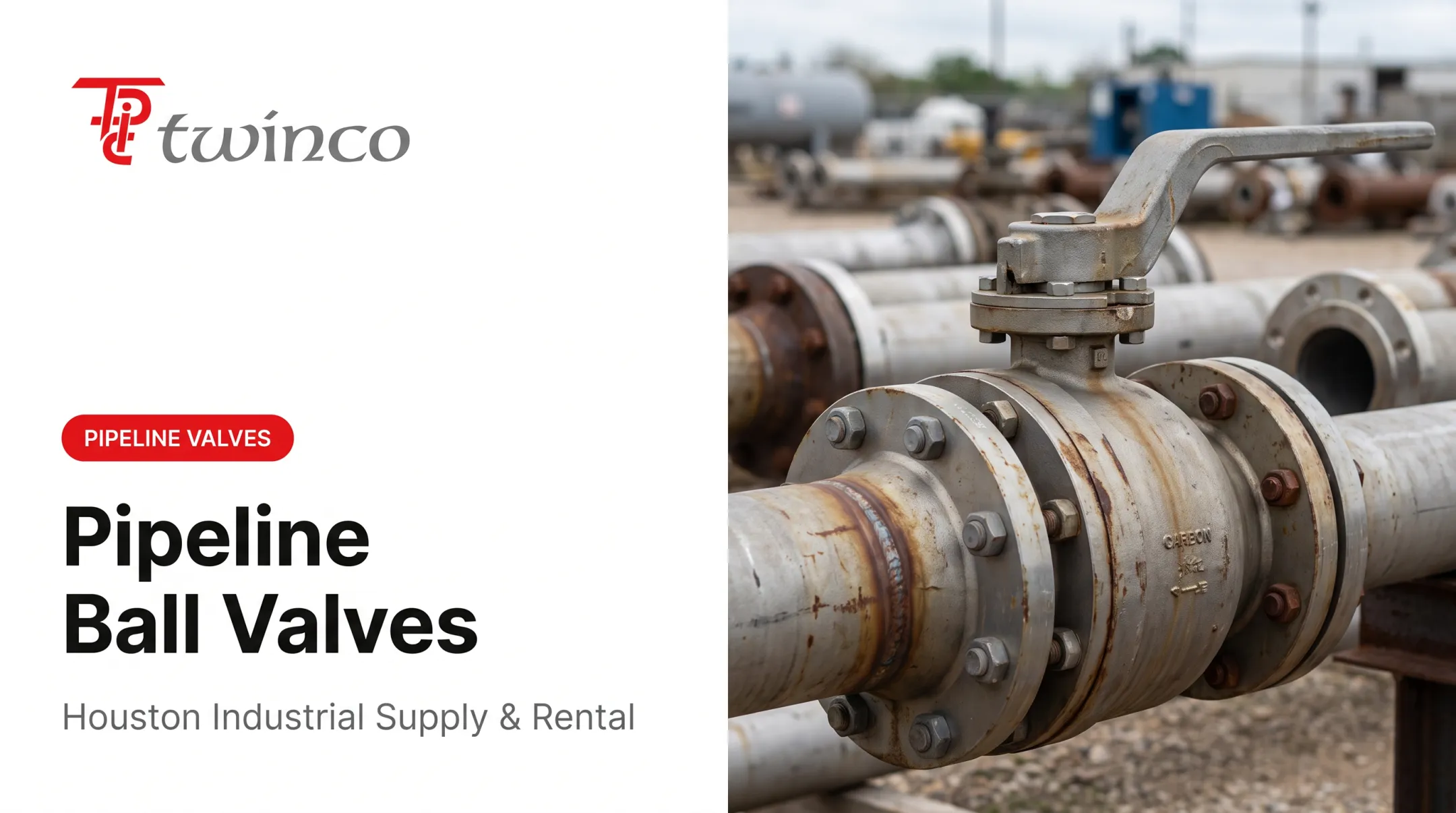
If pigs, cleaning tools, or inspection devices need to pass through, full bore is the only real option. Emerson's piggable valve technology documentation notes that full-bore valve bores are machined to match the pipe ID exactly, allowing a pig to pass through the open valve without interference. Reduced bore geometry simply can't offer that continuous-bore access.

Typical Application Fit
- Full bore: long-distance pipelines, hydrocarbon transport, viscous fluids, slurries, solids-containing media, pressure-sensitive services
- Reduced bore: clean liquids or gases, utility services, compact skids, systems that can tolerate some pressure drop
What Are Full Bore and Reduced Bore Ball Valves?
Full Bore Ball Valve: Definition and Operating Characteristics
A full bore ball valve has a through-bore that's approximately the same as the connecting pipe's internal diameter. "Full port" and "full bore" are used interchangeably across most manufacturer literature and industry standards, including MSS SP-72, which identifies full, regular, and reduced port configurations for general-service ball valves.
That straight-through passage matters because it minimizes velocity changes and turbulence as fluid moves through the valve. Less turbulence means less pump or compressor demand to move the same volume. For exact figures, check the manufacturer's flow coefficient data — nominal valve size and actual bore aren't always identical, so the spec sheet or dimensional drawing is your source of truth, not the pipe size stamped on the outside.
Operational strengths of full bore:
- Unobstructed flow reduces pumping energy requirements
- Easier line cleaning with fewer surfaces for buildup
- Lower risk of material accumulation in viscous or dirty service
- Compatible with pigging when the entire pipeline is designed for it
For pipeline contractors, refinery maintenance teams, and hydrostatic testing providers, this translates directly into dependable isolation components that won't create a bottleneck mid-project.
Full Bore Use Cases
Piggable oil and gas or process pipelines generally require a continuous internal passage. A reduced bore valve dropped into that line can obstruct a cleaning or inspection pig entirely, forcing a rerun or a costly retrieval.
Viscous fluids, slurries, and media carrying suspended solids also tend to benefit from fewer internal restrictions — less surface area for material to catch on. That said, material compatibility and seat design still need their own separate review; bore size alone doesn't guarantee compatibility.
Illustrative scenario: A pipeline commissioning crew running a hydrostatic test needs isolation valves that won't restrict flow during fill and won't interfere with a later pigging run. Specifying full bore at the isolation points keeps the line's continuous bore intact for both the test and future inspection cycles.

When full bore isn't required by pigging, viscosity, or line design, reduced bore becomes the practical alternative.
Reduced Bore Ball Valve: Definition and Operating Characteristics
A reduced bore ball valve has an internal ball opening smaller than the connecting pipe's internal diameter. "Standard port" is the common alternative term, and Parker Hannifin notes that standard-port valves are the default choice for most functions when full port isn't specifically required.
You give up some flow area for a smaller, lighter, often lower-cost valve.
Advantages to verify by size and class:
- Compact construction
- Lower weight
- Simpler handling and installation
- Lower initial purchase cost in many applications
The smaller ball and reduced passage may also lower operating torque in some designs, which can permit a smaller actuator. Still, size the actuator from verified torque data for the valve, media, and service conditions—not from bore type alone.
A reduced bore valve can still deliver dependable shutoff when it's correctly specified, installed, and maintained. Bore type alone doesn't determine pressure rating, seat material, leakage performance, or service life.
Reduced Bore Use Cases
Reduced bore fits clean water, process liquids, gases, compressed air, and utility services where a modest pressure drop is acceptable and pigging isn't part of the plan.
Where reduced bore often makes sense:
- Compact skids with limited space
- Congested plant layouts
- Temporary systems for short-duration projects
- Situations where equipment weight and handling logistics are a real constraint
Procurement example: A maintenance team comparing options for a temporary bypass line might weigh valve cost, actuator sizing, available footprint, and expected flow rate. If the flow is clean and the line will never need pigging, reduced bore often wins on cost and installation speed — but that decision should follow a documented flow and pressure calculation, not a guess at savings.
Full Bore vs Reduced Bore: What Is Better for Your Application?
Neither design is universally better. The right choice satisfies process performance, maintenance access, safety, and procurement requirements all at once.
Start with the medium. Document viscosity, temperature, corrosiveness, solids content, and slurry behavior, then confirm compatibility with the valve body, ball, seats, and seals.
Then check flow and pressure requirements:
- Confirm the design flow rate and allowable pressure drop
- Verify upstream and downstream pressure conditions
- Check pump or compressor capacity against the expected loss
- Run a Cv calculation or bring in an engineering review if numbers are tight
Confirm maintenance needs. Does the line need to be piggable? Cleaned in place? Inspected with an inline device? Protected against buildup? Any "yes" here usually points toward full bore.
Balance lifecycle cost, not just sticker price. Factor in energy use, actuator sizing, installation labor, downtime risk, and long-term maintenance access. A cheaper reduced bore valve that raises pumping costs for years can outspend a full bore valve bought upfront.

Verify the complete specification before ordering:
- Pressure class and temperature rating
- Body and trim materials
- End connections and face-to-face dimensions
- Fire-safe or emissions requirements, if applicable
- Applicable standards (API 6D, API 608, ASME B16.34, MSS SP-72)
- Documentation and required testing
Situational Recommendations
- Full bore fits pigging, high flow, low pressure loss, solids or viscous service, and long-term pumping efficiency
- Reduced bore fits clean media, no pigging need, tight space or weight limits, and acceptable calculated pressure loss
- Call a valve engineer for hazardous media, severe pressure or temperature, cavitation, slurry abrasion, automated actuation, or any spec you are unsure about
When project timing gets tight or the spec calls for a size that's hard to source, Twinco Industrial stocks full bore and reduced bore ball valve configurations alongside the flanges, gaskets, and bolting needed to complete the installation.
Real-World Application Examples
Typical jobs break down like this:
- Pipeline isolation and inspection: Pigging or inline inspection needs a continuous internal passage at every isolation point. Full bore keeps the pig's path clear and avoids the pressure-loss penalty of a restriction.
- Plant maintenance and hydrostatic testing: Crews weigh flow needs, installation constraints, and rental-versus-purchase economics before locking in a valve. Twinco supplies and rents hydrotest gear—from valves to chart recorders—so teams aren't waiting on one missing component.
- Clean utility or compact process service: Water, compressed air, or clean-liquid systems with no pigging requirement can often take the modest pressure loss of a reduced bore valve. After the flow check, reduced bore is frequently the cheaper, easier install.
Quick rule of thumb: Full bore prioritizes unobstructed flow and maintenance access. Reduced bore prioritizes compactness and cost when the restriction is acceptable.
If your project needs an urgent, hard-to-find, or highly specific valve, Twinco's inside sales team, including valve specialist Shane Holmes, can track down the right configuration, with 24/7 coverage for after-hours and emergency requests.
Conclusion
Full bore and reduced bore ball valves differ primarily in one thing: internal passage size. That single difference ripples out into flow resistance, pigging compatibility, equipment sizing, installation effort, and lifecycle economics.
Match the bore type to the job:
- Full bore — flow capacity, low pressure loss, solids handling, or pipeline cleaning
- Reduced bore — clean service, compact design, and cost control
Confirm the complete valve specification and run the system calculations. Don't choose based on nominal pipe size or purchase price alone — that's how projects end up with the wrong valve halfway through installation.
Frequently Asked Questions
What is a full bore ball valve?
A full bore ball valve has an internal passage that approximately matches the pipe's inside diameter. This design minimizes pressure drop and typically allows pigs and inspection tools to pass through freely.
What is the difference between a full bore and reduced bore ball valve?
Full bore has a passage close to the pipe's internal diameter, while reduced bore has a smaller opening that creates a flow restriction. That restriction affects pressure drop, pigging compatibility, and often cost and size.
When should I use a full bore ball valve?
Use full bore for piggable pipelines, high-flow or pressure-sensitive systems, viscous media, slurries, and any service where buildup or maintenance access is a concern. It's also the safer default when you're uncertain about future pigging needs.
Are all ball valves full bore?
No. Ball valves come in full bore, reduced bore, and other configurations depending on the manufacturer and product line. Always verify bore size against the manufacturer's dimensional documentation rather than assuming.
What is the main difference between T-bore and L-bore ball valves?
T-bore and L-bore describe flow patterns in multi-port ball valves used for diverting or mixing flow, not passage diameter. Full bore and reduced bore describe the bore size itself — a multi-port valve can come in either configuration, so these are two separate specification decisions.