Introduction
Rubber-seated butterfly valves show up in water systems, HVAC loops, and general process isolation for a simple reason: they do a lot with very little. Lightweight build, short face-to-face dimensions, and quarter-turn operation make them fast to install and easy to service.
But the resilient seat that makes all of this possible is also the valve's single point of failure if service conditions don't match the elastomer. Plants that swap in a rubber-seated design without checking temperature, chemical compatibility, and cycling frequency often find out the hard way, usually during a shutdown rather than before one.
This guide covers construction, operation, materials, application boundaries, and the selection questions that keep a resilient-seated butterfly valve doing its job instead of becoming the reason for an unplanned outage.
Key Takeaways
- Seal comes from the elastomer seat, not the valve body material
- Match seat compound to media, temperature, pressure, and cycle duty—not just size
- Compact dimensions, low weight, and simple actuation make these valves popular for isolation service
- High heat, abrasives, aggressive chemicals, or heavy cycling often need another seat or valve type
- Confirm specifications and standards with your supplier before ordering, not after
What Is a Rubber-Seated Butterfly Valve?
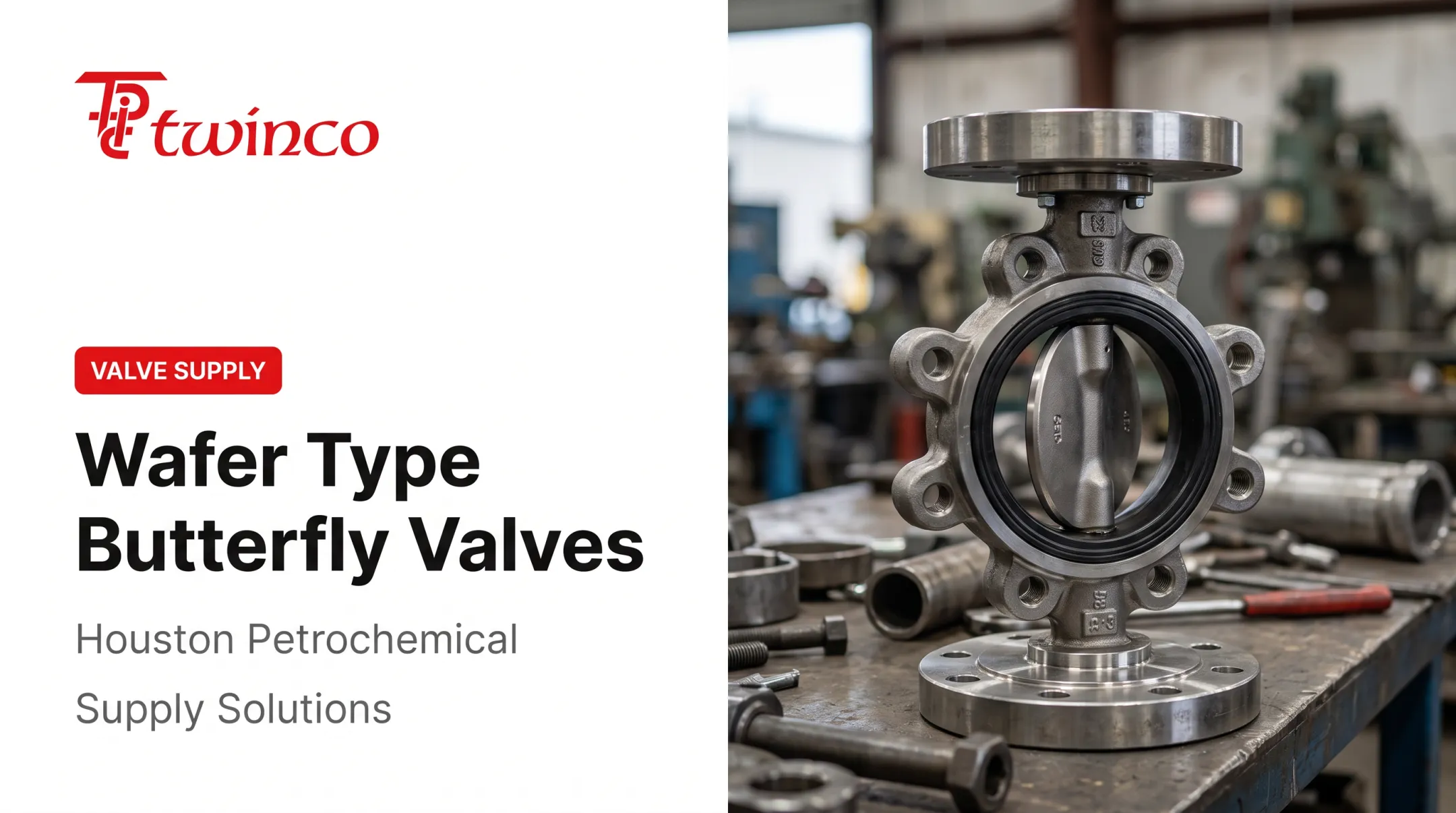
A rubber-seated butterfly valve is a quarter-turn valve built around six basic parts:
- Body
- Rotating disc
- Stem or shaft
- Resilient seat
- Actuator or handle
- End connections that bolt it into the line
The disc turns 90 degrees inside the flow passage, and the resilient seat seals against it when closed.
"Rubber-seated" and "resilient-seated" are used interchangeably in the industry, but don't assume "rubber" means one universal material. It's shorthand for a category of engineered elastomer compounds, each with different temperature limits, chemical resistance, and wear characteristics.
The compound your valve ships with determines what it can actually handle in service, not just the size stamped on the body.
Resilient Seats vs. High-Performance Seating
Resilient-seated designs typically use a concentric disc-and-seat arrangement suited to moderate pressure and temperature ranges.
High-performance and metal-seated butterfly valves use offset or double-offset disc geometry instead, which reduces seat drag and extends the service envelope into higher temperatures and more demanding cycling. The trade-off is usually cost and, in some designs, torque.
Specifications to Confirm Before Ordering
When you're reading a product datasheet, look for:
- Nominal size and pressure class
- Body and disc material
- Seat compound
- End connection type (wafer, lug, or flanged)
- Actuation method
- Applicable design and testing standards
On that last point, API Standard 609 covers butterfly valve design, face-to-face dimensions, and pressure-temperature ratings. That includes both Category A (manufacturer-rated cold working pressure) and Category B (ASME class-rated) designs. If a spec sheet references API 609 or MSS SP-67, that's a good starting point for confirming what the valve is actually rated to do.
How Rubber-Seated Butterfly Valves Work
The operating sequence is straightforward: the disc rotates a quarter turn to move from fully open to fully closed. Some valves can regulate flow at intermediate positions, but only if the specific valve is rated and selected for throttling service. Treating any butterfly valve as a default flow-control device without checking that rating is a common and avoidable mistake.

Sealing and Shutoff
When the valve closes, the resilient seat deforms slightly around the disc edge to reduce leakage. Manufacturers publish shutoff classifications for their products, and those classifications vary. Don't assume "zero leakage" applies universally; check the published rating for the exact valve you're specifying.
Manual vs. Automated Operation
- Manual handles or gear operators work fine for infrequent cycling and accessible locations
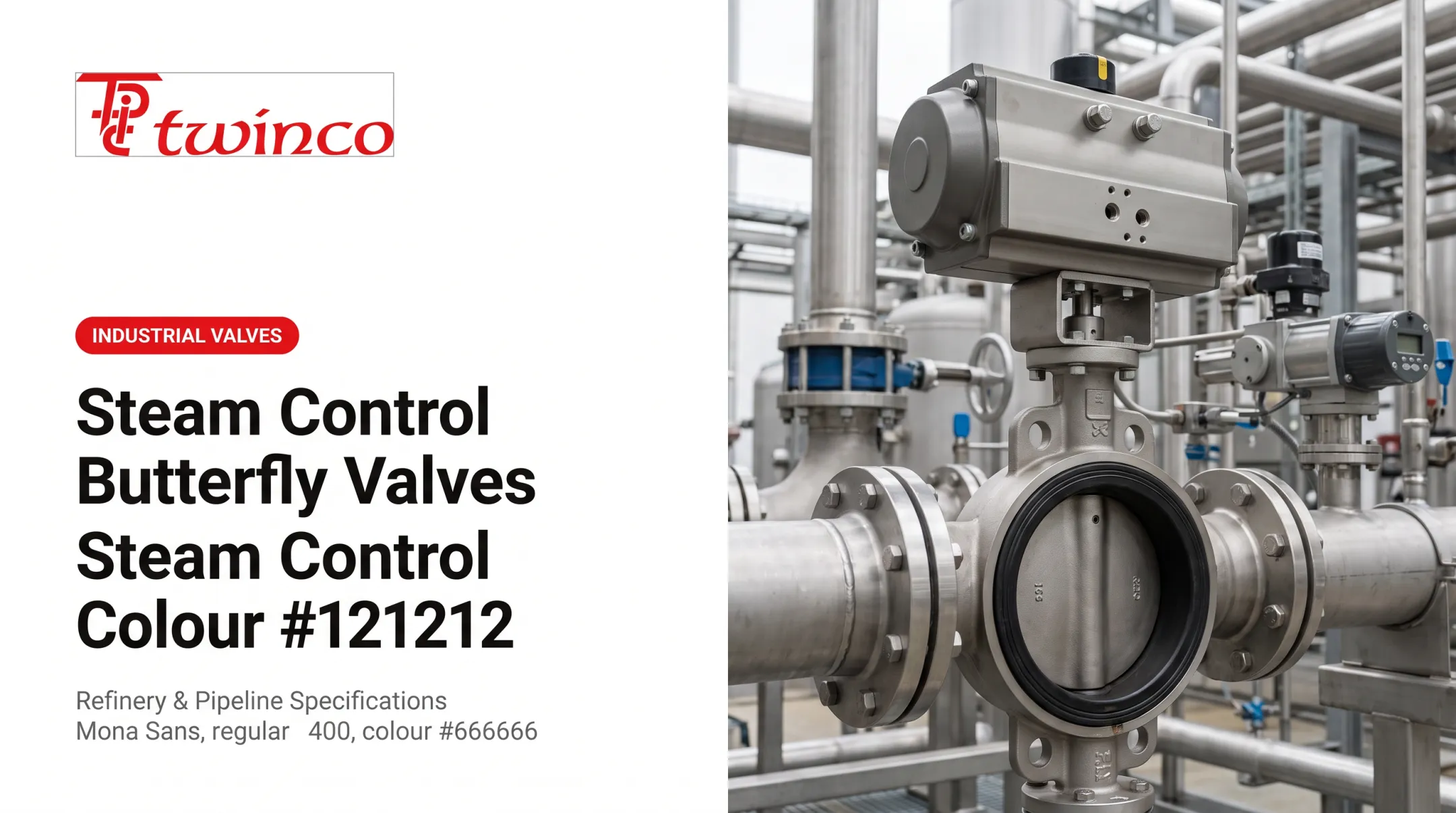
- Electric, pneumatic, or hydraulic actuators add remote control, position indication, and fail-safe action where the process demands it
- Automated actuation becomes more important as cycling frequency, safety requirements, or accessibility constraints increase
What Drives Operating Torque
Torque isn't fixed. It shifts based on:
- Differential pressure across the disc
- Seat friction and disc-to-seat interference
- Media buildup on the seat or disc face
- Operating temperature
- Cycling frequency
- Installation alignment
Isolating a section of process piping for maintenance is a routine use case for these valves. Still, confirm torque and shutoff requirements against the manufacturer's data rather than assuming the valve will perform the same way it did on the last job. Every installation has its own alignment and pressure conditions.
Materials and Construction
Body, disc, and stem materials (typically cast iron, ductile iron, carbon steel, or stainless steel) determine structural strength and general corrosion resistance. The seat compound is a separate decision entirely, and it needs to be verified against the actual service fluid, not assumed from the body material alone.
Common Elastomer Seat Options
| Seat Material | Common Use | Temperature Note |
|---|---|---|
| EPDM | Water, oxygen/ozone resistance | Up to ~250°F in general use |
| NBR (Buna-N) | Petroleum oils, hydrocarbons | Up to ~180°F in general use |
| FKM (Viton) | Oils, fuels, mineral acids | Up to ~400°F in some ratings |

These figures come from manufacturer material guides and vary by product line. Treat them as a starting reference, not a substitute for the exact datasheet.
Chemical compatibility matters as much as temperature. NBR handles petroleum products well, but it degrades under chloramine exposure in potable water systems. That is why Valve World Americas notes that peroxide-cured EPDM formulations are increasingly favored for chloraminated water service.
Wafer, Lug, and Flanged Configurations
- Wafer: Sits between flanges, held in place by through-bolts. Compact and economical.
- Lug: Has threaded lugs allowing bolting from either side, which supports dead-end service and easier downstream disconnection.
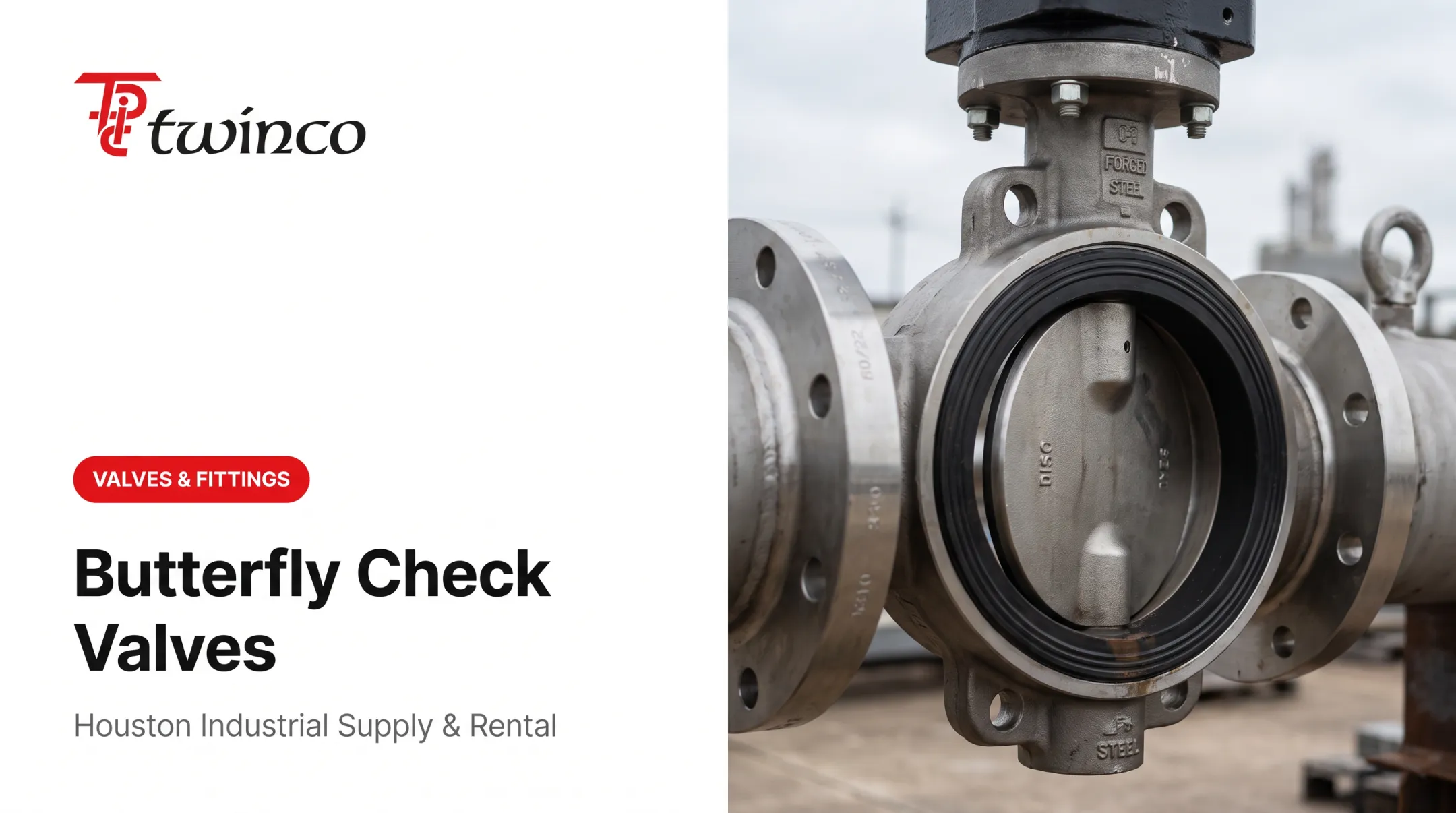
- Flanged (double-flanged): Bolts independently to each flange, common in larger sizes or higher-pressure lines.
Twinco Industrial stocks butterfly valves in wafer, lug, and flanged configurations from ½ inch to 54 inches, in carbon steel, stainless steel, brass, and alloy options. Body style and material can be matched to the project instead of forced to fit whatever is on the shelf.
Where Rubber-Seated Butterfly Valves Fit—and Where They Do Not
Rubber-seated butterfly valves handle a wide range of everyday isolation duties well:
- Water and utility distribution systems
- HVAC and cooling water loops
- Fire protection, when the complete listed assembly is specified
- General process isolation
- Selected industrial services within the seat's rated range
Their compact face-to-face dimension and lighter weight matter most in retrofit and construction projects where space, install time, and labor cost are tight constraints.
For water utilities specifically, ANSI/AWWA C504 sets minimum requirements for rubber-seated butterfly valves from 3 to 72 inches. It covers raw, potable, wastewater, and reclaimed water service at pH 6-12 and 33-125°F, giving a clear reference point for what "normal" water service actually covers.
When to Look Elsewhere
Several conditions push you toward a different seat or valve design entirely:
- High temperatures beyond the seat compound's rated range
- Abrasive slurries that erode the elastomer
- Severe throttling duty the valve isn't rated for
- Highly aggressive chemicals incompatible with the seat material
- Vacuum service beyond the valve's tested rating
- High-cycle applications that accelerate seat wear
A Practical Decision Scenario
A 6-inch line carrying ambient-temperature water calls for a straightforward resilient-seated butterfly valve. Change that same 6-inch line to intermittent 350°F steam service, and you're likely looking at a metal-seated or high-performance valve instead. Same pipe size, same nominal function, completely different valve.

Twinco's broader valve inventory reflects that reality. When rubber seats aren't the right fit, common alternatives include:
- Ball valves from ½ inch to 24 inches in Class 150-1500 for tighter shutoff and full-bore applications
- Gate valves for fully open or fully closed service with minimal pressure drop
- Lubricated plug valves from 2 inches to 60 inches in Class 150-2500 for demanding pipeline duty
The right valve depends on the service, not the line size alone.
How to Select, Install, and Maintain One
Selection Checklist
Before ordering, confirm:
- Line size, pressure class, and temperature range
- Media composition and flow direction
- Shutoff expectations (bubble-tight vs. seat leakage allowed)
- Seat compound and body/disc materials
- End connection type
- Actuator type and required operating torque
- Applicable standards and testing requirements
- Documentation needed for the project file
Give your supplier the complete picture rather than ordering by size alone. Flange dimensions, bolt pattern, face-to-face requirements, and available actuation power all affect whether the valve fits and functions correctly once it arrives.
Need help sourcing the right valve? Twinco Industrial's valve specialists work through these project details directly with customers across petrochemical, pipeline, and industrial facilities. Share your service conditions and spec requirements, and the team can help identify the right configuration.
Installation Precautions
- Clean and inspect mating flanges for scale, weld slag, or debris
- Verify piping alignment and spacing before bolting
- Protect the seat from damage during handling
- Confirm the disc rotates freely with no interference
- Use specified fasteners and a cross-tightening sequence
- Follow the manufacturer's flange and actuator installation instructions exactly
Commissioning and Maintenance
At commissioning:
- Cycle the valve fully
- Confirm position indication
- Check for abnormal torque or interference
- Inspect for leakage
- Document final orientation and actuator settings for the project record
Ongoing maintenance should include:
- Inspecting the seat and disc for wear or damage
- Removing buildup from the seat area
- Checking stem and actuator operation
- Monitoring for leakage or torque changes over time
- Replacing components per the manufacturer's instructions
Troubleshooting Common Symptoms
| Symptom | Possible Cause to Inspect |
|---|---|
| Leakage when closed | Seat damage, foreign material, incorrect closed-stop adjustment |
| Difficult operation | Piping misalignment, deposits, seat compression set |
| Incomplete travel | Actuator stop settings, disc interference |
| External leakage | Stem packing wear, flange bolt torque |
| Premature seat wear | Media incompatibility, excessive cycling, misalignment |
Each symptom points to something worth inspecting directly rather than guessing. A valve that's hard to turn after months of smooth operation is signaling a change—buildup, alignment, or seat condition. Check those first before forcing the actuator.
Frequently Asked Questions
What is a seat on a butterfly valve?
The seat is the resilient sealing component that contacts the disc when the valve closes, creating the shutoff. It's distinct from the disc itself and from any external gasket used between the valve and adjoining flanges.
Do resilient-seated butterfly valves need gaskets?
It depends on the valve's construction. Many resilient-seated designs use the seat's molded flange-face O-rings to seal against the mating flanges directly, so a separate gasket isn't required. Always follow the manufacturer's installation instructions for your specific valve.
What are some alternatives to butterfly valves?
Ball, gate, plug, high-performance butterfly, and metal-seated valves are all common alternatives. The right choice depends on temperature, pressure, media, throttling needs, bore requirements, cycling frequency, and shutoff expectations.
How long do rubber seats typically last?
Seat life varies widely based on media, temperature, and cycling frequency. Manufacturers publish expected service life for specific compounds and conditions, so check the datasheet for your exact seat material rather than assuming a general lifespan.
Can a rubber-seated butterfly valve be used for throttling?
Only if it's specifically rated and selected for that duty. Using a valve outside its rated throttling range accelerates seat wear and can compromise shutoff performance later.