](https://file-host.link/website/twincoindustrial-y4f5p4/assets/refined-images/1790170722174000_04dd0251057944d885d9bf885cc6e63b/2x_360.webp)
Introduction: Flanged Split Body Ball Valves Explained
Plant operators face a recurring conflict: a system needs dependable shutoff, but it also needs to be opened up occasionally for inspection, cleaning, or repair. Choosing a valve that can't be serviced in place often means replacing the whole unit later, adding cost and downtime.
A flanged split body ball valve is a quarter-turn valve whose body is assembled from two or more bolted sections and connects to piping through flanges rather than threaded or welded ends. "Flanged" describes the pipe connection. "Split body" describes how the body itself comes apart for service.
This guide covers how these valves are built and operated, where they fit in industrial systems, their advantages and limitations, how to specify one correctly, and what installation and maintenance require.
Key Takeaways
- Split body construction opens access to the ball, seats, stem, and seals; service only per manufacturer procedure.
- Flanged ends simplify piping fit-up only when dimensions, facing, pressure class, gasket, and bolting match.
- Match selection to media, pressure, temperature, size, seat and body materials, actuation, and standards.
- Serviceability pays off in demanding applications; simpler non-serviceable valves may suit low-demand systems.
What Are Flanged Split Body Ball Valves and How Do They Work?
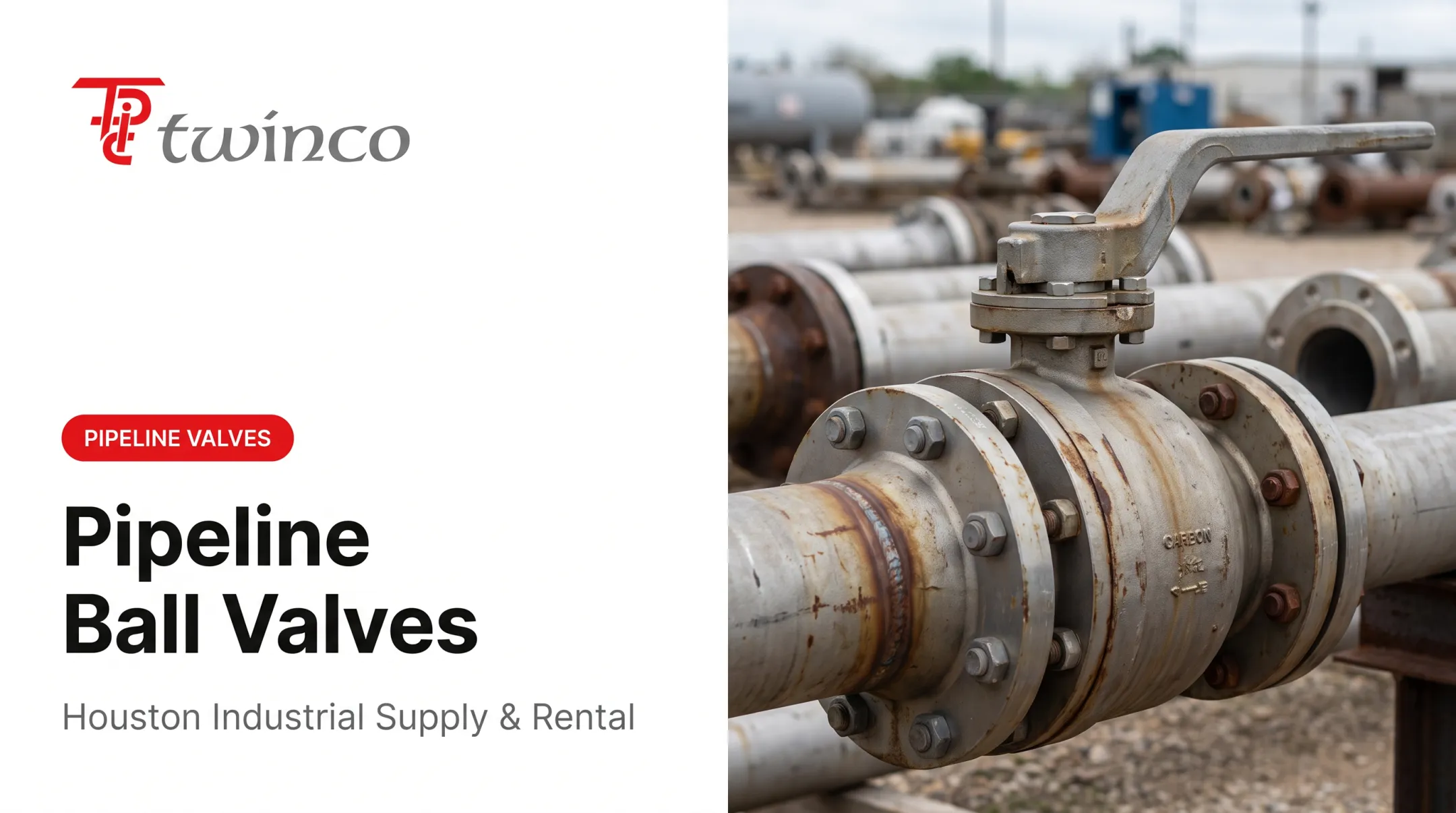
A flanged split body ball valve is a quarter-turn isolation valve built so the body can be unbolted and the internals serviced without cutting the valve out of the line. At its center is a ball with a bore drilled through it. That ball rotates 90 degrees between full open and full closed.
The body is not one solid casting. It is split into sections bolted together around the ball, seats, stem, and seals, which is what makes in-line access possible.
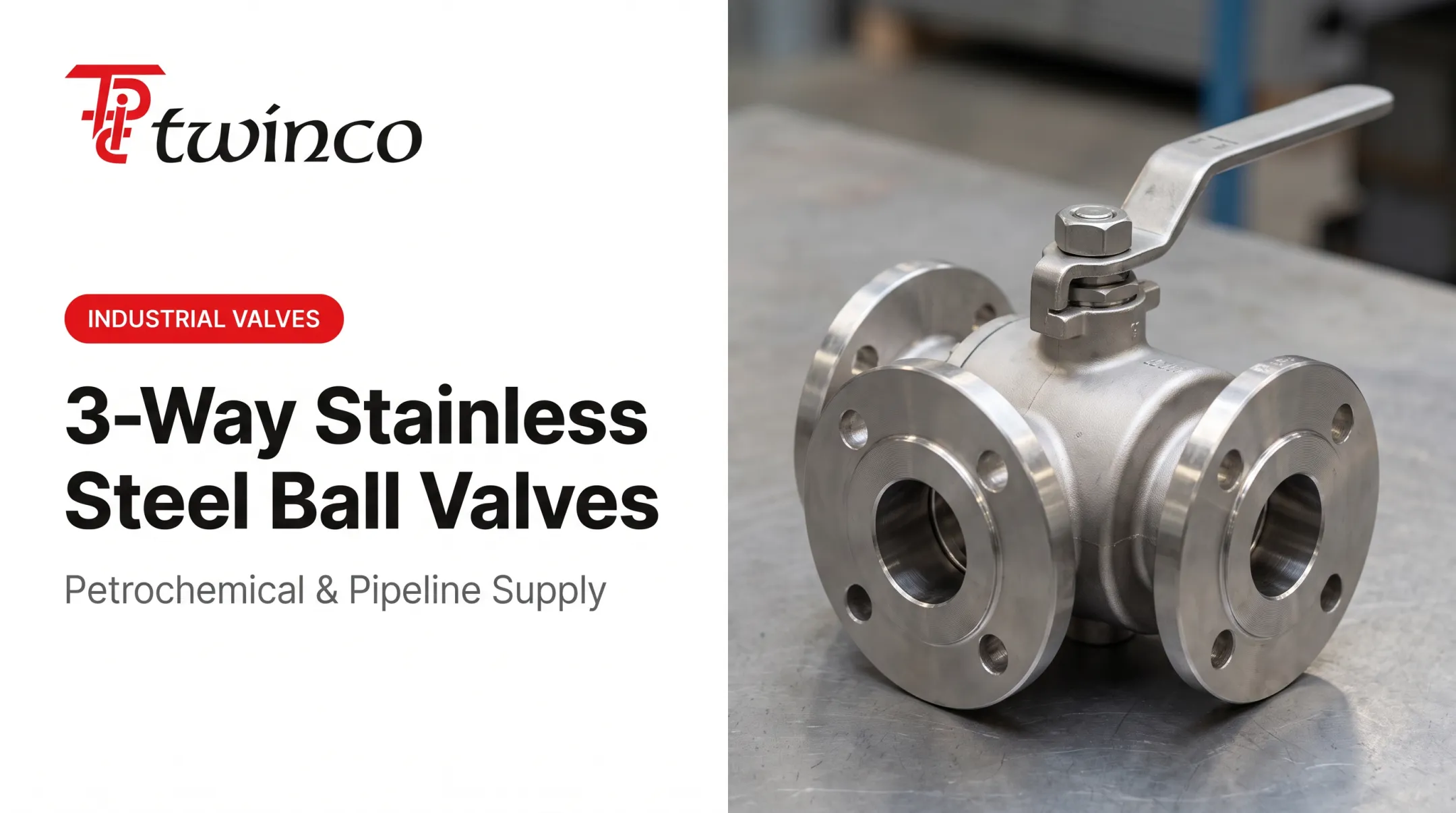
The flanged connection attaches the valve to adjoining pipe flanges using a gasket compressed between mating faces and a ring of bolts. Unlike threaded or welded ends, flanges make planned removal and servicing practical—one reason these valves are common where maintenance access matters.
Once the body and ends are in place, operation is straightforward.
Open, Closed, and In Between
- Open: The bore lines up with the pipe centerline for full flow
- Closed: The ball turns 90 degrees and a solid face blocks the bore
- Actuation: A quarter turn—by lever, gearbox, or actuator—moves between those states
Floating Ball vs. Trunnion-Mounted Designs
In a floating ball design, the ball is not fixed in place. Upstream pressure pushes the closed ball against the downstream seat, so operating torque rises as differential pressure and seating area increase, as shown in Emerson trunnion-mounted ball valve engineering data.
A trunnion-mounted ball is held by trunnions and bearings, so load path runs through those supports instead of the seat. That usually means lower operating torque—important on larger sizes and higher pressure classes.
Terminology Worth Confirming
A two-piece valve generally has a body split into two main sections. "Split body" is sometimes used more broadly for valves built from multiple sections, including three-piece designs. Always confirm the exact terminology against the manufacturer's drawings and datasheet before assuming compatibility.
Standards that govern construction:
| Requirement | Standard | Scope |
|---|---|---|
| Metal ball valve design | API 608, Edition 6 | Flanged NPS 1/2–24, Classes 150, 300, 600 |
| Flange dimensions and ratings | ASME B16.5 | NPS 1/2–24, pressure-temperature ratings, bolting, gaskets |
| Pipeline valves | API 6D, 25th Edition | Manufacturing spec for pipeline valves |
Components to know:
- Body sections and end flanges
- Ball, stem, and seats
- Body seals and stem seals
- Bolting
- Actuator or manual operator
Where Are Flanged Split Body Ball Valves Used?
Flanged split body ball valves show up across pipeline systems, refineries, petrochemical plants, chemical processing, and power facilities. Industrial ball valves in general are commonly available in sizes ½" to 24" and pressure Classes 150 through 1500, which covers most process piping in these industries. Actual suitability for a specific job always depends on verified materials and pressure/temperature ratings, not just the size range.

Why Choose This Design
Operators often select a serviceable, flanged design when planned maintenance and internal access matter more than the lowest purchase price. If a valve sits in a line that gets inspected every turnaround, being able to open the body without cutting pipe saves real time.
Common Service Roles
- Isolation: blocking flow completely to protect downstream equipment
- Sectional shutoff: dividing a pipeline into maintainable segments
- Equipment maintenance support: isolating a pump, vessel, or line section for work
- Pressure testing: holding a boundary during hydrostatic or pneumatic tests
- Process-line interruption: planned shutdowns for cleaning or changeover
Isolation duty and throttling duty are not the same job. A valve built for on/off shutoff is not automatically approved for continuous flow control; that distinction gets its own section below.
Match the media the same way. Assign hydrocarbons, chemicals, water, or abrasive slurries only after seat, body, trim, and ratings are confirmed for that specific service.
Advantages and Limitations to Consider
No valve design wins on every metric. The right call depends on duty cycle, maintenance plan, and lifecycle cost, not a blanket rule.
Where Split Body Flanged Valves Shine
- Internal access to the ball, seats, and stem without removing the valve from the line in many flanged setups
- Repairability that can extend service life instead of forcing full replacement
- Flanged piping compatibility, a common interface in process plants
- Positive quarter-turn shutoff for reliable isolation
- Planned-maintenance fit where inspection intervals are already scheduled
Repairability, though, depends on parts availability, the valve's actual condition, technician skill, and following the manufacturer's procedure to the letter. It's not automatic just because the body splits apart.
Where It Falls Short
- Higher purchase and installation cost than simpler one-piece valves
- Greater weight and space requirements, which matters in tight piping runs
- Bolted-joint upkeep: gaskets and torque don't take care of themselves
- Flange compatibility risk: mismatched flange standards, facing types, or pressure classes will cause problems at installation, not later
Isolation, Not Routine Throttling
Standard ball valves are built for on/off service. Using one for routine throttling, unless the manufacturer specifically approves it for control service, risks seat damage, erosion, noise, and unstable flow. If a system needs regulated flow control rather than open/shut duty, that's a different valve conversation entirely.
How to Select the Right Flanged Split Body Ball Valve
Specifying a flanged split body ball valve correctly starts with the process, not the catalog page.
Start With Process Conditions
Document the media first:
- Fluid or gas type, concentration, and contaminants
- Viscosity and hazard characteristics
Then lock in the operating envelope:
- Normal and maximum operating pressure
- Operating and design temperature
- Required shutoff performance
Match Size, Class, and Dimensions
- Match valve size and pressure class to the piping design.
- Verify bore/port configuration and flow capacity against allowable pressure drop.
- Confirm end-to-end dimensions.
- Check flange rating, flange facing, and bolt-hole pattern against the mating pipe flange.
Evaluate Materials and Seat Options
Body, ball, stem, seats, and gaskets must resist corrosion, temperature, pressure, and erosion for the specific media. Choose seat and seal materials (resilient, graphite, or metal) only against the manufacturer's published data. Temperature limits, fire-safe requirements, and fugitive emissions ratings vary by product family.
Determine the Operating Method
- Choose a manual lever or gearbox for lower-torque service
- Specify a pneumatic or electric actuator for remote or automated operation
- Define fail-position, controls, and hazardous-area ratings where required
Build a Purchasing Checklist
- Datasheet and drawings
- Material certificates
- Pressure and leakage test documentation
- Applicable approvals and certifications
- Spare parts and maintenance instructions
- Lead time, warranty, and supplier support
Before finalizing a critical, hazardous, high-pressure, or high-temperature order, confirm the full specification with the manufacturer, engineer of record, or a qualified valve specialist.

Twinco Industrial works with customers sourcing valves alongside matching flanges, gaskets, bolting, and fittings for industrial projects. Coordinating the whole bill of materials tends to catch mismatches before they become field problems.
Installation, Maintenance, and Safety Considerations
Getting a flanged split body ball valve into service correctly, and keeping it there, takes more than tightening bolts.
Before Installation
- Inspect the valve and flange faces for shipping damage
- Confirm flow direction if the valve is directional
- Verify the ball is protected from debris during storage and handling
- Compare the nameplate and documentation against the purchase specification
- Support piping independently so pipe weight never rests on the valve
Flange Installation Basics
Use the specified gasket and compatible bolting. Align the pipe naturally rather than forcing the valve into position, which stresses the joint.
Tighten bolts in the manufacturer's recommended sequence and stages, and follow documented torque values. ASME PCC-1 provides broader guidance on bolted flange joint assembly that project procedures often reference.
Commissioning Checks
- Confirm full ball travel from open to closed
- Verify actuator or manual operator function
- Inspect flanged joints and stem area for leakage
- Run any required pressure or functional tests under an approved procedure
Maintenance and Safety
Opening a split body valve can expose stored pressure, hazardous media, and heavy components. OSHA's lockout/tagout standard requires isolating energy sources, verifying zero energy, and controlling stored or residual energy before servicing begins. That requirement applies directly to valve body disassembly.
Routine maintenance tasks include:
- Isolate and depressurize the line before any work begins
- Verify safe conditions and follow lockout/tagout requirements
- Inspect external bolting and seals for wear or leakage
- Exercise the valve when permitted by operating procedures
- Document findings for the next maintenance cycle
Evaluate replacement seats, stem seals, body seals, and fasteners against the valve's condition. Sometimes a repair and retest returns the valve to service; other times replacement is the smarter call. When a replacement valve or matching piping component is needed on short notice, Twinco Industrial's specialty sourcing and Houston-based fulfillment can help keep a shutdown or turnaround on schedule.

Flanged Split Body Ball Valves vs. Other Ball Valve Designs
Body style is one selection variable among several, not the whole decision.
| Design | Body Construction | Service Access | Typical Use Case |
|---|---|---|---|
| One-piece | Single solid body | Generally not repairable | Lower-cost, replacement-oriented service |
| Two-piece split body | Two bolted sections | Body splits for internal service | Balance of cost and serviceability |
| Three-piece | Center body plus two end connectors | Center section removable, connectors stay in line | Frequent maintenance, less removal work |
| Top-entry | Access from above | In-line repair without pipe removal | High-cost outage avoidance |
Split Body vs. One-Piece
One-piece valves are compact and typically the lower-cost option, but they're generally treated as non-repairable. Split body designs cost more upfront and take up more space, but they support internal servicing.
Split Body vs. Three-Piece
Both offer serviceability, but three-piece valves let the end connectors stay bolted to the pipe while the center body comes out, often reducing removal work compared to some split body arrangements. Exact procedures differ by manufacturer, so this isn't a rule to apply blindly.
Flanged vs. Threaded or Welded Ends
Flanged connections allow the valve to be unbolted and removed relatively easily. Threaded and welded ends can complicate disassembly and introduce different leak-path considerations, but they may suit tighter spaces or specific piping standards.
Top-Entry vs. Side-Entry
Top-entry valves are designed for in-line repair without removing the valve from the pipe. That setup helps when shutdown avoidance is a priority. Side-entry designs, common in many flanged split body valves, often require more access space but can simplify planned removal.
Body style, port configuration, ball support, actuation, seat material, and end connection are all independent variables. Choosing based on body style alone skips half the specification.
Frequently Asked Questions
What is a two-piece ball valve?
A two-piece ball valve has a body divided into two main bolted sections, allowing some internal access without full valve replacement. Exact serviceability and connection details still vary by manufacturer, so check the datasheet.
What is the difference between a split body ball valve and a three-piece ball valve?
Both offer service access, but a three-piece valve keeps its end connectors attached to the pipe while the center body is removed. A split body valve's exact removal requirements depend on the specific design. Always confirm against the manufacturer's drawings.
Are flanged split body ball valves suitable for high-pressure or high-temperature service?
Suitability depends entirely on the valve's pressure class, body and trim materials, seat and seal design, and stated temperature limits. Confirm testing and applicable standards compliance before specifying for demanding service.
How do you maintain a flanged split body ball valve?
Isolate and depressurize the line, verify zero energy per lockout/tagout requirements, and inspect the valve before disassembly. Replace worn seats or seals following the manufacturer's approved procedure, then pressure test before returning it to service.
Can a flanged split body ball valve be used for throttling?
No. Ball valves are built for isolation, not continuous flow control. Throttling needs explicit manufacturer approval because of seat wear, erosion, noise, and unstable flow.
What information should I provide when requesting a flanged split body ball valve?
Include media, size, pressure and temperature ratings, flange standard and facing, materials, port configuration, actuation, shutoff class, certifications, and delivery or project constraints. Clearer specs mean fewer surprises at install.