That's the job of an ESD emergency shutdown valve. This article covers how these valves operate, the common valve types used in ESD service, and what goes into selecting, testing, and maintaining them for US industrial applications.
One thing worth stating upfront: an ESD valve is a single component within a larger safety instrumented function. It doesn't replace proper hazard analysis, operating procedures, or a fully engineered safety system. Treat it as one part of the picture, not the whole solution.
Key Takeaways
- An ESD valve automatically moves to a predetermined safe position when it receives an emergency trip signal or loses actuating energy.
- Select valve type, actuator, fail position, materials, and process conditions as one integrated system.
- Routine inspection plus partial and full stroke testing are non-negotiable for dependable emergency isolation.
- Confirm specs, standards, and certifications with a qualified engineer before finalizing the design.
What Is an ESD Emergency Shutdown Valve?
You'll see several terms used almost interchangeably across plants: ESD, ESDV, SDV, emergency shutdown valve, and shutdown valve. Some facilities also use EIV (emergency isolation valve) or EBV (emergency block valve). The concept is the same, though tag conventions vary by site—always check local documentation before assuming a label means the same thing everywhere.
An ESD valve is not the same as a manual shut-off valve or a control valve. Here's the distinction:
- ESD valves perform an automated on-off safety function, typically triggered by a logic solver rather than a person.
- Manual isolation valves require someone to physically operate them, which takes time an emergency may not allow.
- Control valves regulate flow during normal operation and aren't designed as safety devices.
The primary purpose of an ESD valve is straightforward: isolate hazardous liquids, gases, steam, or other process media fast enough to limit a release, protect downstream equipment, and stop an incident from escalating.
Where ESD Valves Fit in a Safety Instrumented Function
ESD valves don't act alone. They're the final element in a chain: field sensors detect a hazardous condition, a logic solver evaluates the signal against pre-set criteria, and the valve then moves to its required safe state. Valmet describes this final-element role as a core function of a safety instrumented system—the valve is only as reliable as the sensors and logic feeding it.
You'll find ESD valves across a wide range of industrial settings:
- Pipelines and pipeline block stations
- Refineries and petrochemical facilities
- Chemical processing plants
- Power generation facilities
- Storage terminals and loading systems
- Industrial testing and maintenance operations
Applicable standards vary by facility and application. Functional safety requirements often reference IEC 61511 or ANSI/ISA-84.00.01, valve design may follow API 6D, and fire-safe testing frequently points to API 607. Confirm the standards that apply to your installation with your engineering team—one standard rarely covers every scenario.
How ESD Valves Work: System Components and Fail-Safe Action
During normal operation, an ESD valve remains in its designed open or closed position while the actuator and control system stay ready to trip on command. It's not doing anything visible until it's needed.
A typical shutdown sequence looks like this:
- Detection — A flame, gas, pressure, temperature, level, or manual emergency signal reaches the safety system.
- Logic evaluation — The logic solver processes the signal and issues a trip command.
- Solenoid actuation — The solenoid valve changes state, releasing or supplying air/hydraulic pressure.
- Actuator movement — The actuator drives the valve toward its safe position.
- Position confirmation — The valve reaches its defined safe state, and feedback signals confirm the result.

Fail-Close Isn't Always the Answer
Fail-safe does not automatically mean fail-closed. The correct fail position depends on hazard analysis and process consequences. Bray's application guidance illustrates this well: pump suction and compressor isolation valves are often specified to fail closed, but a flare block valve is typically configured to fail open, since blocking flow to the flare could be far more dangerous than releasing gas through it. Cooling water, relief systems, and other protective services may need to keep flowing during an emergency, not stop.
The Components That Make It Work
A complete ESD valve assembly includes:
- Valve body and trim — Body, closure member, seats, stem, and bonnet rated for the process conditions.
- Actuator — Pneumatic, hydraulic, or electric, sized to deliver the force and speed the application demands.
- Energy storage and release — Solenoid valve, instrument air or hydraulic supply, spring-return mechanism, or accumulators.
- Feedback devices — Limit switches, position transmitters, and local indicators confirming open, closed, or intermediate status.
Response time, shutoff integrity, actuator sizing, and behavior during power or utility loss all need to be evaluated together as a system. Picking a great valve body and pairing it with an undersized actuator defeats the purpose.
For example, imagine a facility with a hydrocarbon feed line where a gas detector picks up a leak. The logic solver trips the ESD valve on that line, the actuator drives it closed within its specified response window, and feedback confirms closure to the control room. Your trip logic and safe position will still depend on the hazard analysis for that specific line.
Common ESD Valve Types and Applications
The valve body itself doesn't determine whether something qualifies as an ESD valve. Actuation, trip logic, fail action, accessories, and feedback all have to be integrated for it to function as a safety device. That said, certain body styles show up more often in ESD service than others.
Ball Valves
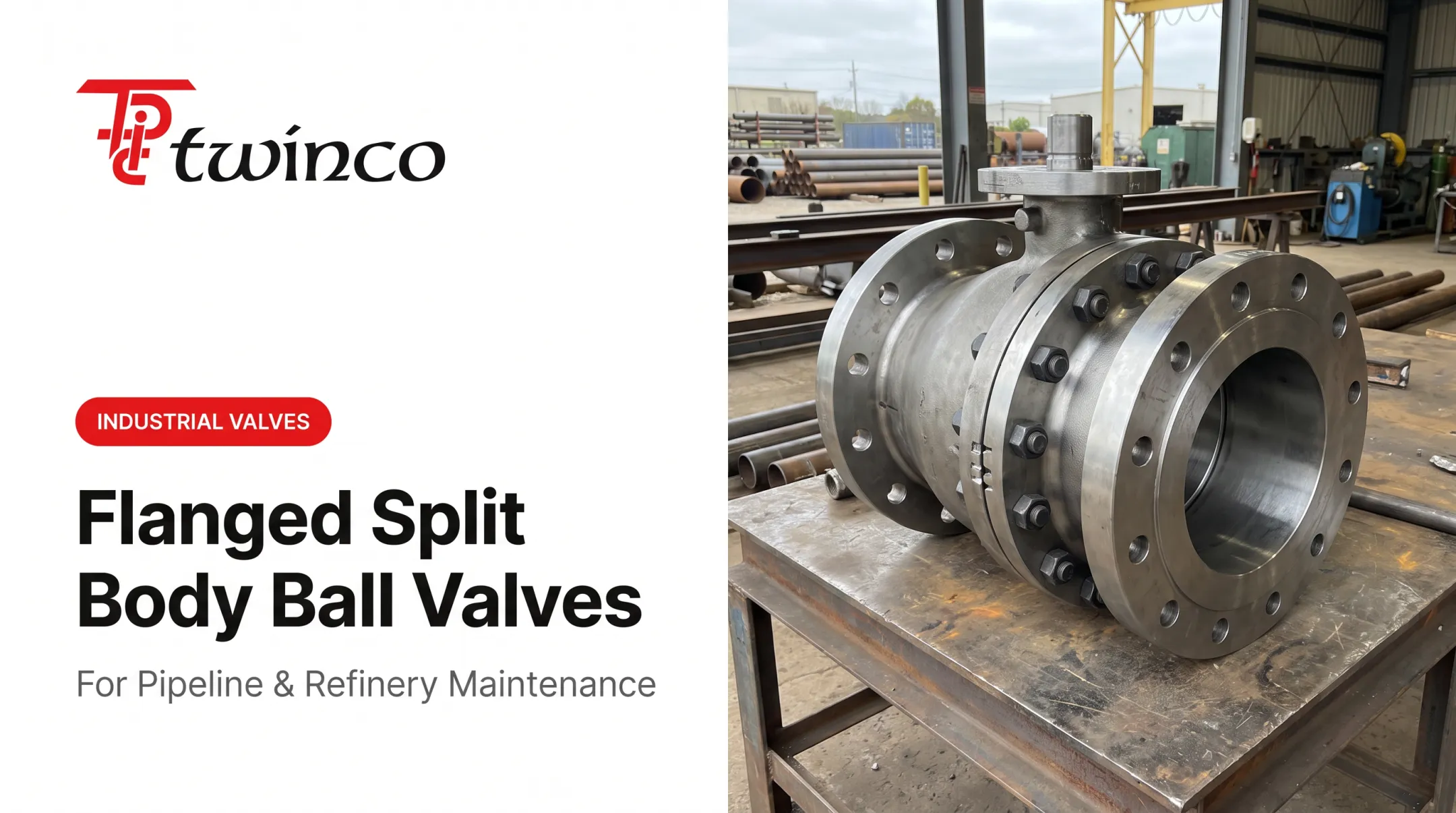
Ball valves offer quarter-turn operation and tight shutoff, making them a common choice where the media, pressure, and temperature align with their design limits. According to Valve World's 2023 technical review, ball or gate valves are typically used for NPS 8 and smaller applications, while larger ball valves also see use in FPSO service for their flow and sealing performance. Twinco Industrial stocks floating, flanged, threaded, and socket-weld ball valves from ½ inch through 24 inches, Class 150 through 1500.
Gate Valves
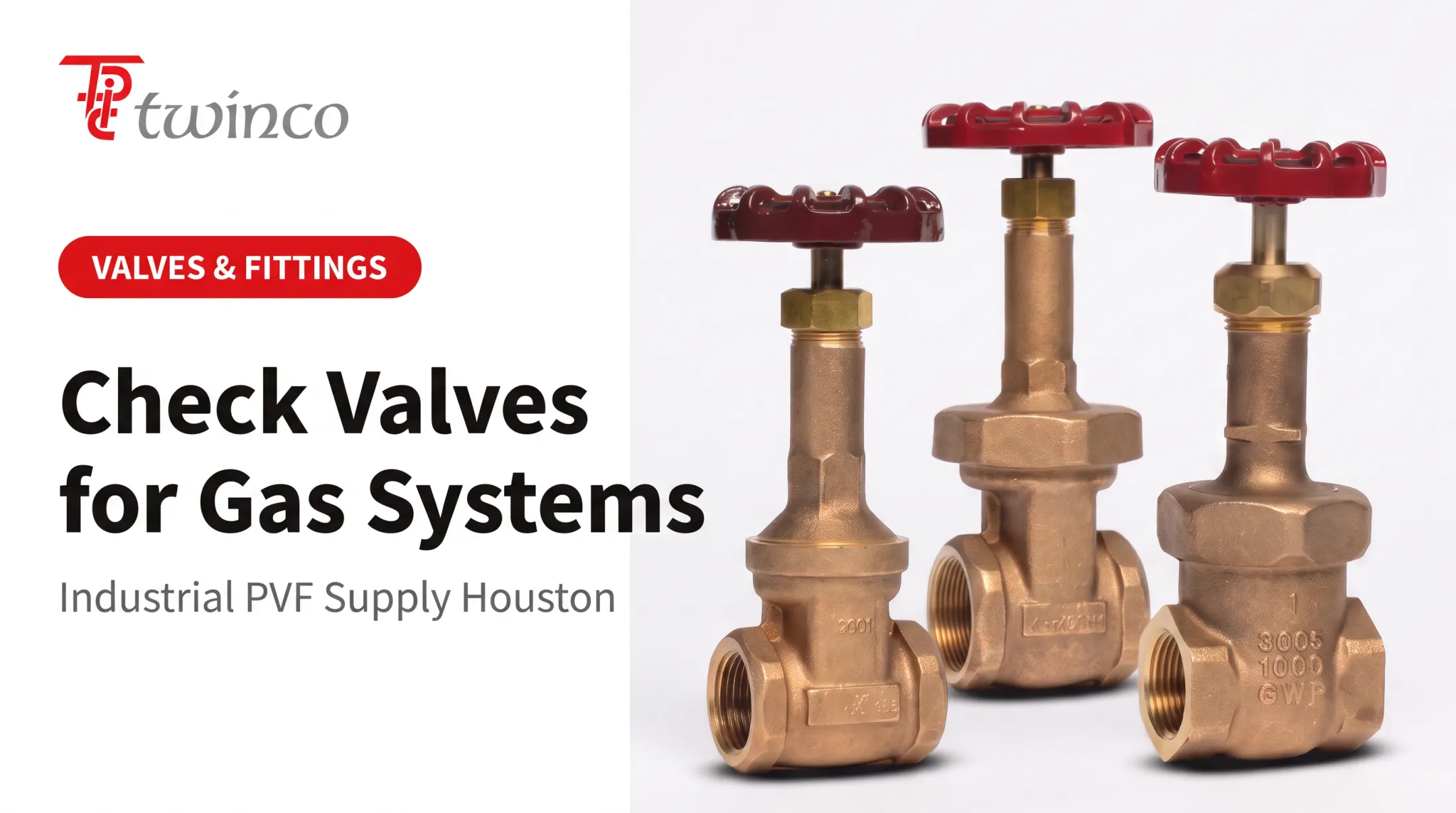
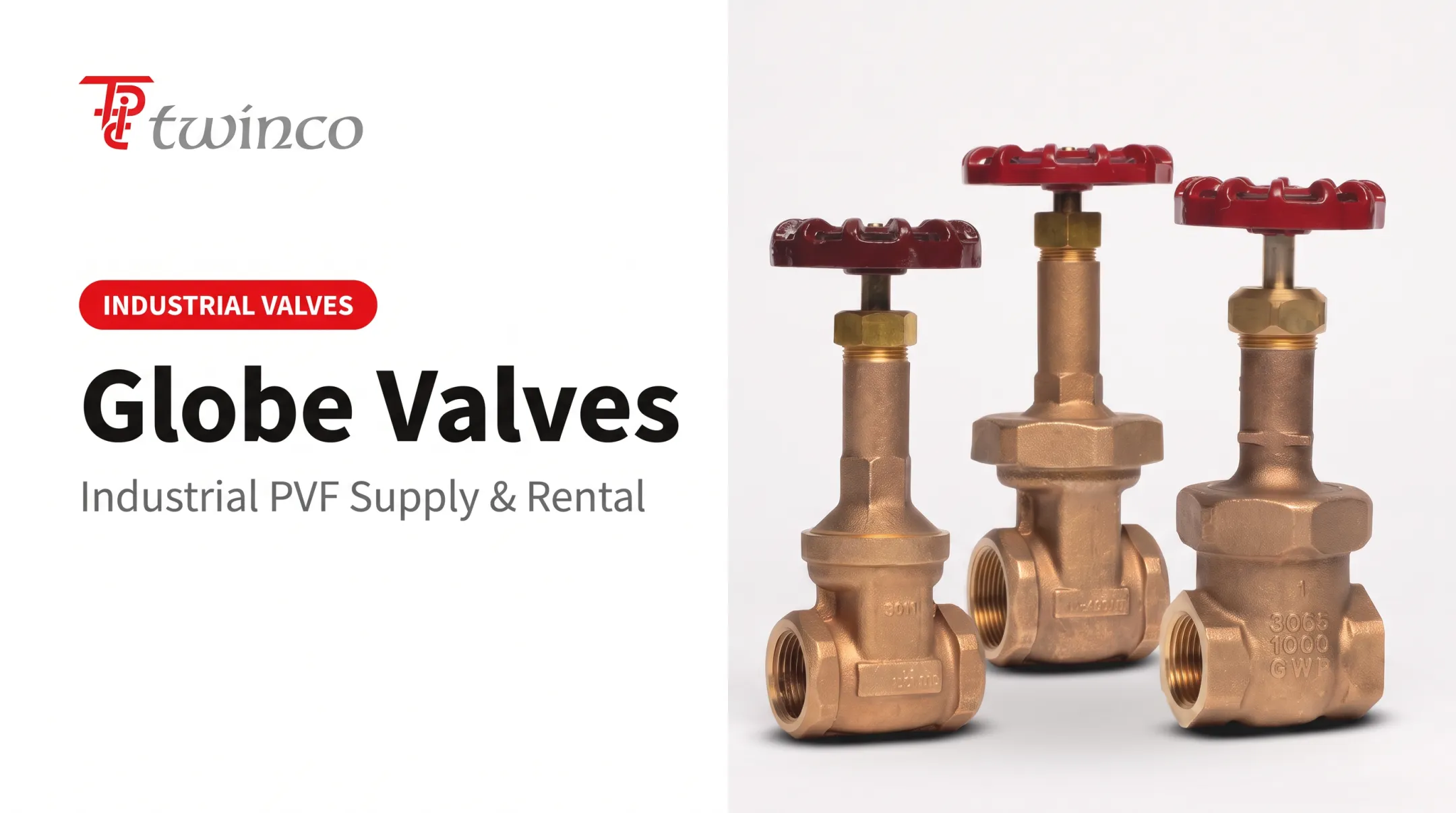
Gate valves provide full-bore flow, which matters for pipeline isolation where minimizing pressure drop is a priority. They tend to have longer stroke times than quarter-turn designs, so actuator selection and closure-time requirements need close attention. Twinco carries cast steel gate valves in sizes 2 to 48 inches (Class 150–2500) and forged steel versions from ¼ to 2 inches (Class 150–4500).
Butterfly Valves
Butterfly valves suit larger line sizes where weight, face-to-face length, and compact installation matter. They work well in cooling water, utility, and selected process isolation service when sealing class and differential pressure stay within design limits.
Plug Valves and Other Specialized Designs
Lubricated plug valves show up frequently in pipeline service, sized from 2 to 60 inches, Class 150–2500. Specialized or high-alloy designs may be justified for extreme service conditions.

Actuator selection matters just as much as body type:
- Pneumatic spring-return actuators are common where a reliable instrument air supply exists.
- Hydraulic spring-return and double-acting systems with stored energy work well for remote locations without external power.
- Electric actuators with an engineered fail-safe arrangement fill specific niches where pneumatic or hydraulic power isn't practical.
Common ESD applications include:
- Pipeline block valve isolation
- Refinery and process-unit isolation
- Tank and loading-system shutdown
- Gas supply, chemical, and utility isolation
Match body style, actuator, and fail action to the hazard scenario and required closure time—not to a generic valve preference.
How to Select, Specify, Test, and Maintain an ESD Valve
Getting an ESD valve right starts with a thorough specification, not a catalog pick.
Specification Checklist
Before selecting a valve, confirm:
- Line size, pressure class, and design/operating temperature
- Flow direction and process media (including phase)
- Corrosion or erosion risk and pressure differential
- End connections and required shutoff performance
Material compatibility is critical. Hydrocarbons, corrosive chemicals, sour service, cryogenic conditions, fire exposure, and fugitive emissions requirements all demand different material choices and certifications. Verify each requirement against current project standards and manufacturer data rather than assuming a standard material works everywhere.
Sour service, for instance, typically requires materials qualified under ANSI/NACE MR0175. Cryogenic applications call for their own inspection protocols.
Actuation and Performance Requirements
Beyond materials, confirm:
- Required fail position and available air or hydraulic pressure
- Loss-of-power behavior and actuator torque or thrust
- Emergency response time and manual override capability
- Position feedback and independence from ordinary process control
Keep datasheets, drawings, certificates, test records, material records, and installation instructions traceable and accessible—not scattered across email threads.
Inspection vs. Partial Stroke vs. Full Stroke Testing
These three testing approaches serve different purposes:
| Test Type | What It Checks | Limitations |
|---|---|---|
| Routine inspection | Leakage, corrosion, damaged accessories, abnormal indications | Doesn't confirm actuator function |
| Partial stroke test | Movement, evidence the valve isn't stuck | May not verify full travel or every failure mode |
| Full stroke test | Complete travel, feedback, closure performance | Requires isolation and a controlled outage or approved window |
Emerson's safety manual notes that partial stroke testing exercises the valve through a small percentage of normal travel without affecting process flow, which makes it useful between outages but not a substitute for a full proof test. No single testing interval fits every site. Follow your safety lifecycle requirements, manufacturer guidance, and applicable regulations instead of a fixed schedule.
Valve World's 2023 review found that more than half of emergency-shutdown system failures have been attributed to the valves themselves, so testing discipline matters as much as the initial spec.

Common Failure Causes
Watch for:
- Actuator or solenoid malfunction
- Contaminated or lost instrument air
- Hydraulic leaks
- Corrosion, seat, or stem damage
- Faulty limit switches or wiring faults
- Skipped or delayed testing
Preventing those failures also means having the right materials ready when a shutdown, test window, or emergency hit. Twinco Industrial sources ESD valves with the flanges, bolting, gaskets, pipe, and fittings that go with them, with 24/7 coverage for nights, weekends, and emergency calls.
Shane Holmes, Twinco's inside sales valve specialist, works with pipeline, petrochemical, and industrial customers to match valve specs to project requirements.
Bring in a qualified engineer or valve specialist when the service is:
- Safety-critical or tied to functional-safety requirements
- High-pressure, large-bore, cryogenic, corrosive, sour, or fire-exposed
- Subject to hazardous-location rules you cannot verify in-house
Don't guess on these applications.
Frequently Asked Questions
What is an ESD valve?
An ESD valve is an automatically actuated emergency isolation valve. It moves to a predetermined safe position in response to a trip signal or a loss of actuating energy, isolating hazardous flow without operator action.
What is the purpose of a shut-off valve?
A shut-off valve stops or isolates flow for safety, maintenance, emergency response, or equipment protection. Ordinary manual shut-off valves need a person to operate them, while ESD valves act automatically during an emergency.
How do you tell if a shut-off valve is open or closed?
Local position indicators, stem or handle orientation, limit switches, and control-room feedback all help confirm status. Always verify through approved procedures rather than relying on visual appearance alone.
What are the different types of emergency shut-off valves?
Common configurations include ball, gate, butterfly, and plug valves. The specific actuator, fail-safe action, and service conditions determine which body style suits a given application.
What is an emergency shut-off gas valve?
This is a valve, automatically or manually triggered, that isolates gas flow during a leak, fire, pressure event, or other emergency. Installation and testing requirements depend on the specific gas system and applicable codes.
What is another name for a shut-off valve?
You'll hear isolation valve, stop valve, block valve, shutdown valve, SDV, or ESDV used depending on the plant and industry. Terminology and tag meanings vary by facility, so always confirm what a specific label means on your site.