Introduction
A gasket failure rarely announces itself politely. One minute you're pressure testing a flange connection; the next, you're staring at a weep, scheduling a retest, and explaining a delay to a project manager who wanted the line back in service yesterday.
Gasket problems are more predictable than most people assume. According to a manufacturer-reported analysis by James Walker, insufficient bolt compression accounts for 68% of gasket leakage cases, with excessive compression and incorrect product selection making up most of the rest.
Full face flange gaskets get mentioned constantly in flat face flange applications, but "full face" only describes the gasket's shape. Getting the seal right also depends on the flange standard, dimensions, material, pressure, temperature, and what's actually flowing through the pipe.
This guide covers what full face gaskets are, where they're used, how they compare with ring gaskets, how to order them correctly, and how to install them without the mistakes that cause callbacks.
Key Takeaways
- Cover the full flange face and bolt holes; ring gaskets seal only inside the bolt circle
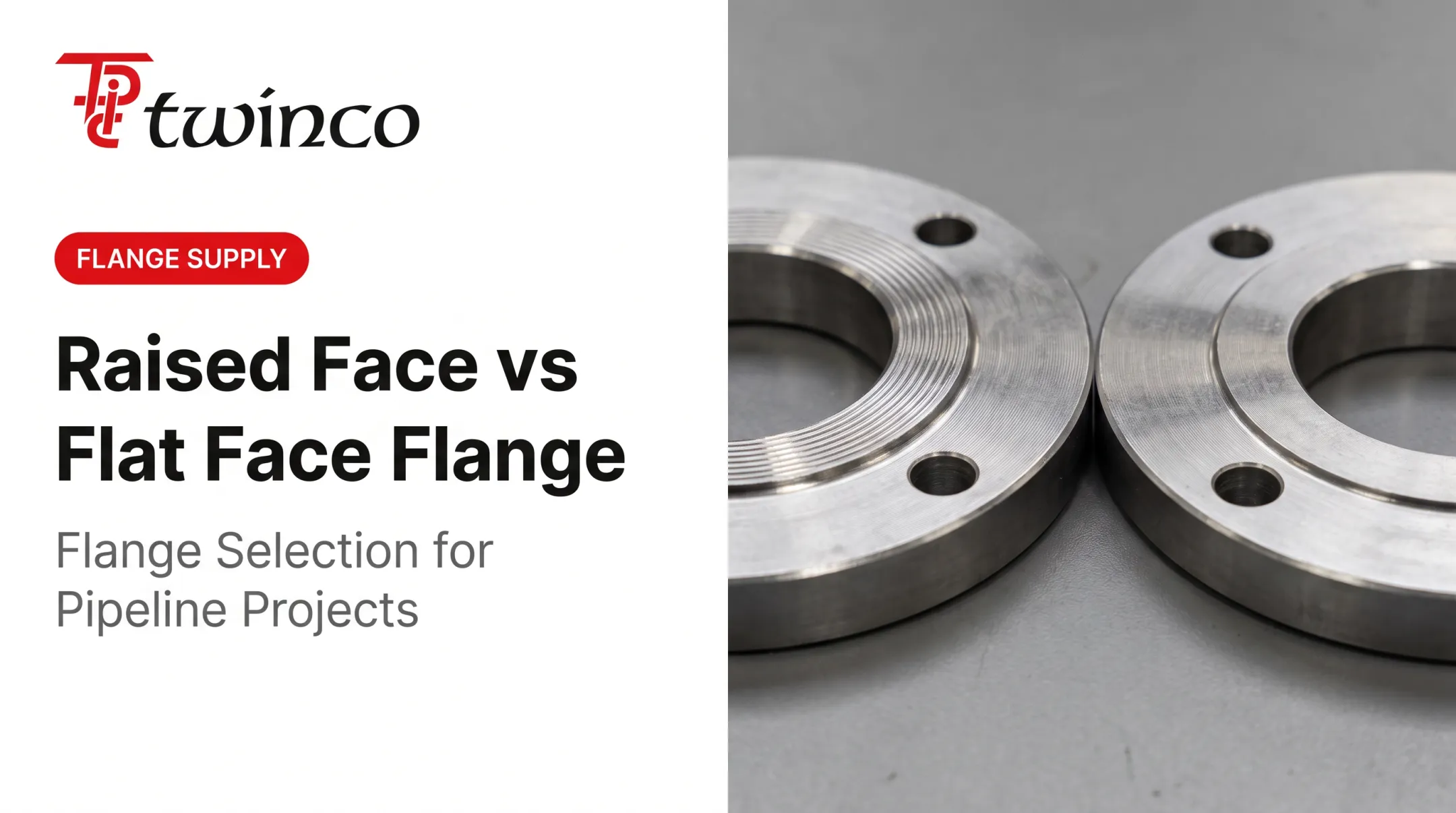
- Pair full face gaskets with flat face flanges, not raised face designs
- Spec flange type, pressure class, dimensions, thickness, and service data—pipe size alone is not enough
- Get a reliable seal only with proper alignment, clean faces, and controlled bolt torque
What Is a Full Face Flange Gasket?
A full face flange gasket extends across the entire sealing surface of the flange and includes holes matching every bolt in the flange pattern. When compressed between two mating flanges, it fills microscopic surface imperfections on both faces.
That contact creates a barrier against internal pressure and contains the process fluid or gas.
Garlock's technical definition is straightforward: a full face gasket covers the entire flange face and includes bolt holes, and it's typically paired with a flat face flange. A raised face flange, by contrast, typically uses a ring gasket instead.
Full Face vs. Ring Gaskets
| Feature | Full Face Gasket | Ring Gasket |
|---|---|---|
| Coverage | Entire flange face | Inside the bolt circle only |
| Bolt holes | Included, matched to flange pattern | Not present |
| Typical flange type | Flat face (FF) | Raised face (RF) |
| Positioning | Bolt holes assist alignment | Centered on the bore |
That bolt-hole pattern isn't just a design detail. It gives installers a built-in alignment reference during placement, but it also means the gasket's hole count, spacing, and diameter must match the flange exactly. A mismatch here isn't a minor inconvenience; it can prevent proper seating altogether.
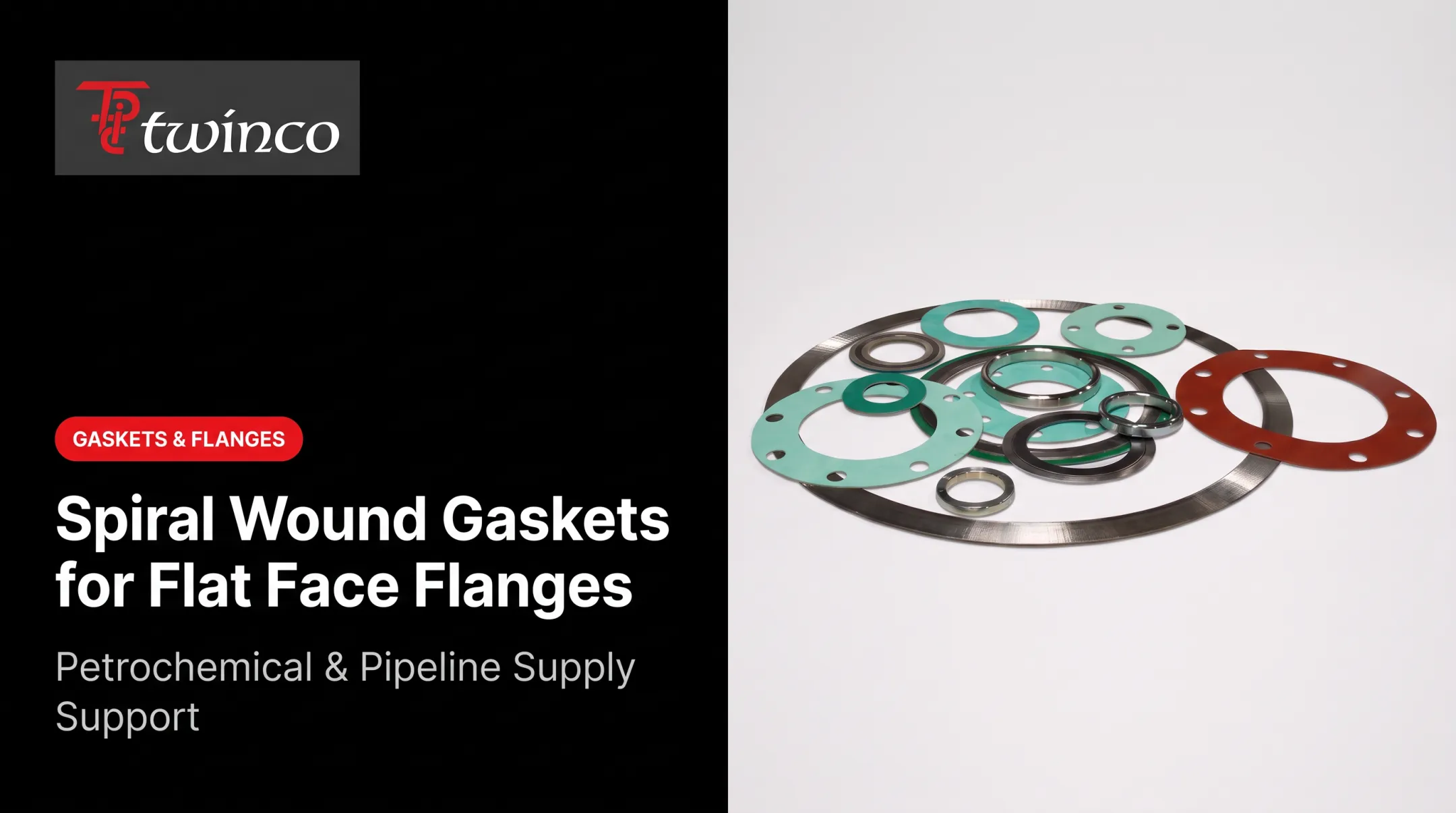
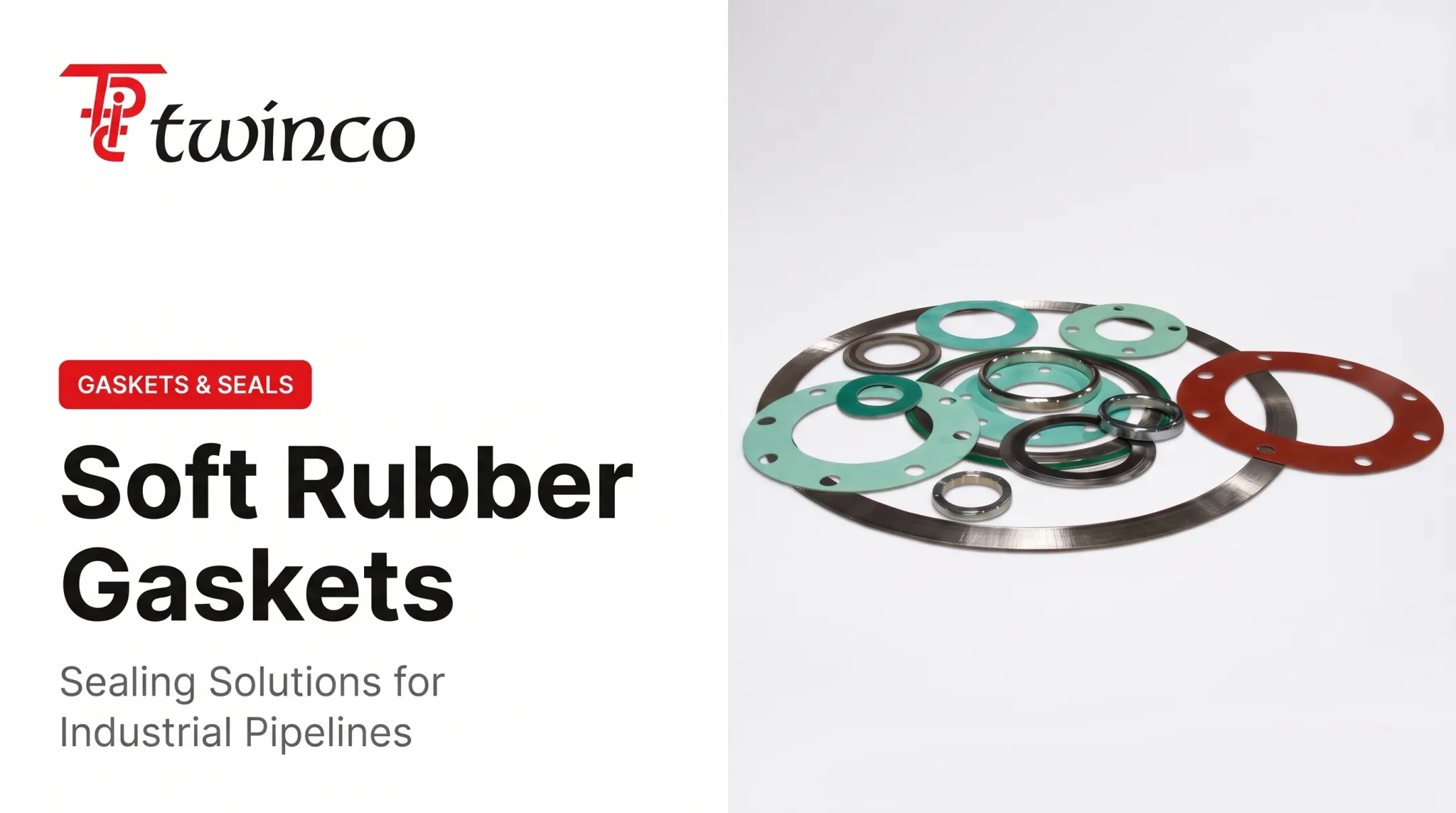
"Full face" describes a shape, not a material. A full face gasket can be cut from rubber, PTFE, graphite, compressed fiber, or another compound entirely. How it handles pressure, temperature, and chemical exposure depends on the specific material and construction, not the full-face shape alone.
Where Are Full Face Gaskets Used?
Full face gaskets show up most often on flat face flanges built from materials that don't tolerate concentrated bolt stress well. Garlock notes that flat-faced flanges made from cast iron, aluminum, bronze, or lightweight angle iron use full-face gaskets to avoid bending forces, and that allowable torque on these joints is limited to prevent cracking.
Here's why the pairing works: a full face gasket spreads sealing coverage and clamping load across the entire flange face instead of concentrating it on a narrow raised land that a brittle or lightweight flange might not support.
Common applications include:
- Low- to moderate-pressure piping connections
- Water and utility system flanges
- Industrial maintenance and turnaround work
- Equipment connections during fabrication
- Joints specified for flat face flanges
For Twinco Industrial's customers, that covers pipeline construction, petrochemical and refinery work, power plant maintenance, and industrial construction and testing—wherever flat face flanges appear in the piping spec.
That said, don't treat this as a blanket rule. Pressure, temperature, fluid chemistry, flange material, available bolt load, and flange surface condition can all push the selection toward a different gasket style or material. Final selection should always follow the project specification and, when in doubt, seek a qualified technical review.
How to Choose the Right Full Face Gasket
Ordering a full face gasket by nominal pipe size alone is how mismatched joints end up on a job site. Start with flange identification, then work through dimensions and material.
Confirm the Flange First
Before pulling any dimensions, verify:
- Nominal pipe size (NPS)
- Flange standard (such as ASME B16.5)
- Pressure class or rating
- Face type, flat face versus raised face
- Flange material
- Whether the mating flanges are actually compatible with a full face gasket
Ordering Dimensions Checklist
Pull these measurements from reliable flange drawings, specifications, or records, not estimates:
- Inside diameter (ID)
- Outside diameter (OD)
- Bolt-circle diameter
- Bolt-hole count, diameter, and spacing
- Gasket thickness
Material Selection Factors
Material choice comes down to the service, not preference. Consider:
- Conveyed medium and chemical exposure
- Operating and design temperature
- Operating and design pressure
- Required compression and available bolt load
- Flange surface condition
- Expected maintenance and replacement cycle
Twinco Industrial's gasket inventory includes graphite, PTFE, rubber, non-asbestos, and metal-alloy options for a range of pressures, temperatures, and chemical environments.
Soft-cut materials (non-asbestos, PTFE, graphite, compressed fiber) and rubber compounds such as EPDM, NBR, Neoprene, Silicone, and Natural Rubber each respond differently to heat and chemicals. Match the compound to the service, not just the pipe size.
Standards and Documentation
ASME B16.21 governs nonmetallic flat gasket types, dimensions, materials, and tolerances, while ASME B16.5 covers pipe flange dimensions and pressure-temperature ratings for NPS 1/2 through NPS 24. Confirm which standards, material certifications, or traceability documents your project or piping specification requires before placing an order.

Before ordering, be ready to provide:
- A flange photo or drawing, when possible
- The specific service (fluid, pressure, temperature)
- The required delivery date
- Confirmation that the supplier has reviewed the full joint specification, not just the gasket size
Installation and Common Mistakes
A correctly specified gasket still fails if it's installed poorly. Installation discipline matters as much as material selection.
Preparation
- Isolate and depressurize the system before removing the old gasket
- Inspect both flange faces for damage, warping, or corrosion
- Clean away residue and old gasket material completely
- Confirm the faces are usable before proceeding; don't install a new gasket against a damaged surface
Alignment and Placement
Misalignment is a common source of failed joints. A gasket that's off-center can:
- Protrude into the bore
- Create a cavity at the joint
- Reduce the effective sealing area
- Restrict flow entirely
Position the gasket so every bolt hole lines up cleanly with the flange pattern before inserting a single bolt.
Use a new gasket in the specified material and thickness. Don't add sealant or adhesive unless the procedure specifically calls for it—unauthorized compounds can interfere with sealing behavior.
Bolt Tightening
Once the gasket is centered, install and tighten bolts using the project's specified sequence, lubrication, and torque or tension method with calibrated tools. The FSA/ESA installation guidance recommends a staged tightening approach in a cross-bolt pattern, working up gradually rather than fully torquing one bolt at a time. Never invent torque values; confirm them against the manufacturer's or engineering department's specification.
Post-Installation Checks
- Visual inspection of the completed joint
- Controlled pressurization or leak testing per the owner's approved procedure
- Leak monitoring during startup
- Documentation of any retightening or component replacement

Common Errors to Avoid
Even a clean install fails when the wrong gasket or habit creeps in. Avoid these mistakes:
- Using a ring gasket on a flat face flange
- Mixing incompatible flange face types
- Reusing a compressed gasket
- Selecting a gasket by pipe size alone
- Over-compressing a soft material
- Ignoring the manufacturer's installation instructions
Garlock is direct on reuse: it does not recommend reusing gaskets. Rubber-containing gaskets exposed to elevated temperatures are even less likely to reseal a second time.
Sourcing Full Face Gaskets for Industrial Projects
A quick, accurate quote depends on what you hand the supplier upfront. For full face gasket orders, that means:
- Size and pressure class
- Flange standard and face type
- Full dimensional specs (ID, OD, bolt pattern, thickness)
- Gasket material
- Quantity needed
- Service conditions
- Required certifications
- Delivery location and required date
Skip any of these, and you're likely looking at a second round of back-and-forth before the order even ships.
Twinco Industrial has supported petrochemical, pipeline, refinery, power, construction, and maintenance projects out of Houston for over 45 years. Our gasket inventory covers graphite, PTFE, rubber, non-asbestos, and metal-alloy materials.
We also keep a deep stock of flanges, valves, fittings, studs, and nuts, so a full face gasket order rarely has to stand alone.
When a project involves a shutdown, an emergency procurement, or a tight testing window, our team coordinates gaskets alongside related components. That includes rental blind flanges, hydrotesting equipment, and bolting, so the whole joint gets handled in one call instead of five.

Need help sourcing a full face gasket for a specific flange? Contact Twinco Industrial to talk through your specs before you order.
Frequently Asked Questions
What does "full face gasket" mean?
A full face gasket covers the entire flange face and includes bolt holes matching the flange pattern. This differs from a ring gasket, which seals only within the bolt circle and has no bolt holes at all.
Where are full face gaskets used?
They're most commonly used with flat face flanges, particularly on cast iron, aluminum, bronze, or lightweight flange materials. Final suitability still depends on service pressure, temperature, media, and the governing project specification.
What are the main types of flange gaskets?
Broad categories include full face, ring, spiral wound, and ring type joint (RTJ) gaskets. Design (shape and coverage) and material (rubber, PTFE, graphite, and others) are separate decisions that both need to match the application.
What is the difference between a full face gasket and a raised face gasket?
There's no such thing as a "raised face gasket." Full face describes a gasket design, while raised face describes a flange-face configuration. Raised face flanges typically use ring-style gaskets, not full face ones.
What gasket should you use on flat face vs raised face flanges?
Flat face flanges generally call for full face gaskets, while raised face flanges typically use ring-style gaskets. Always confirm against the governing specification or engineering guidance before ordering.
What is the size chart for full face gaskets?
There isn't one universal chart. Dimensions vary by nominal size, flange standard, pressure class, bolt pattern, and thickness, so check the applicable flange standard or a supplier drawing rather than relying on pipe size alone.