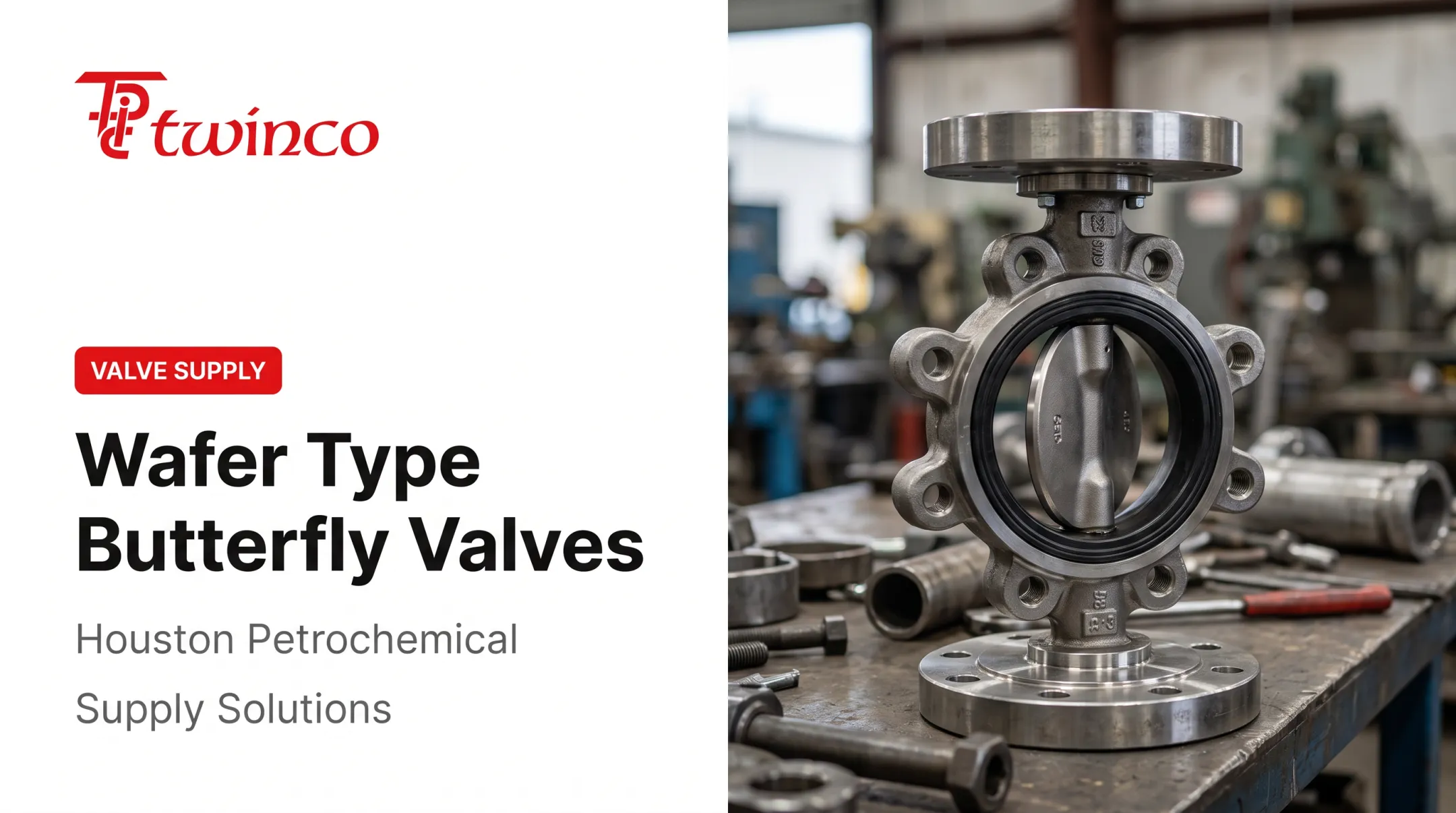
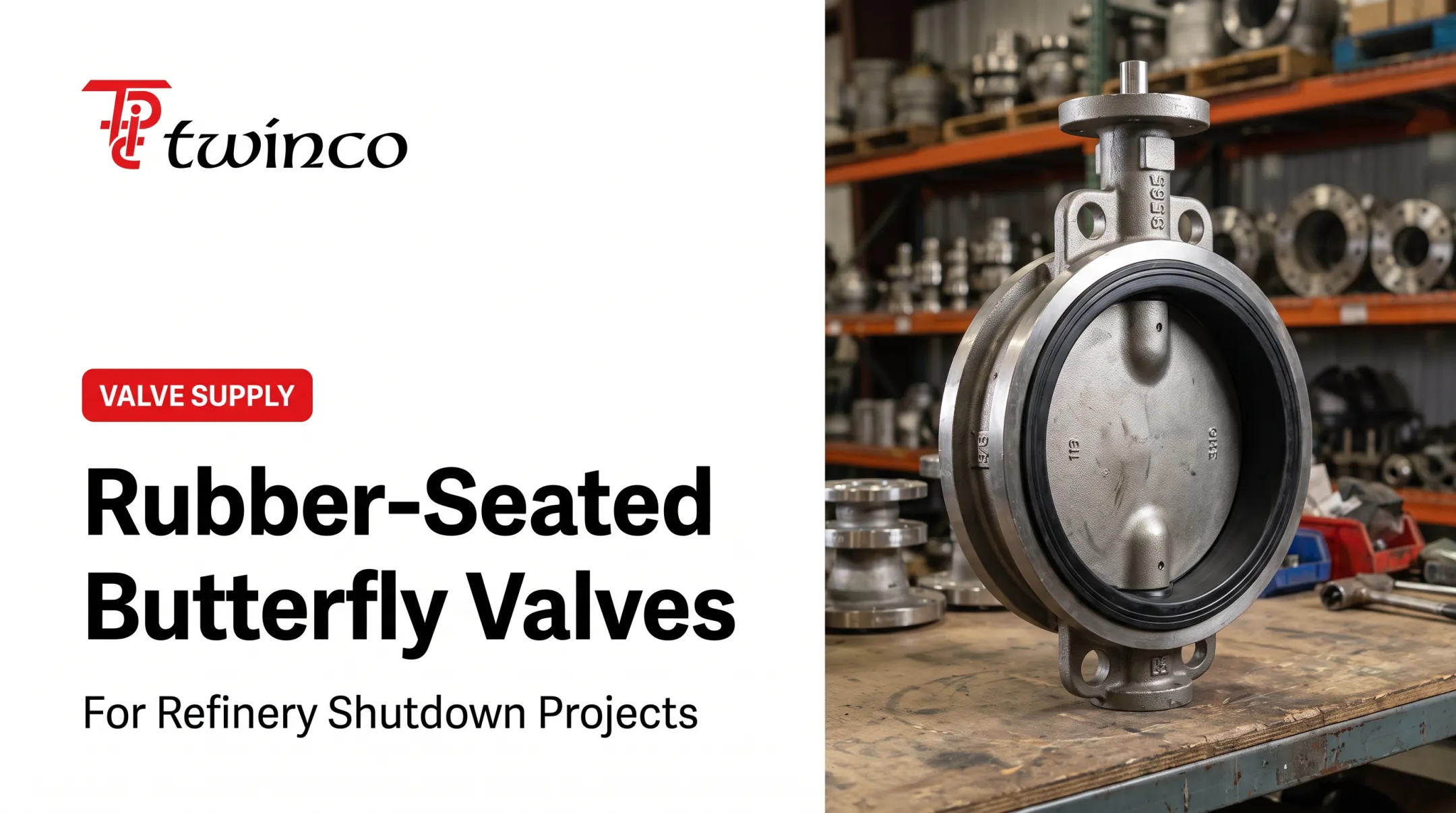
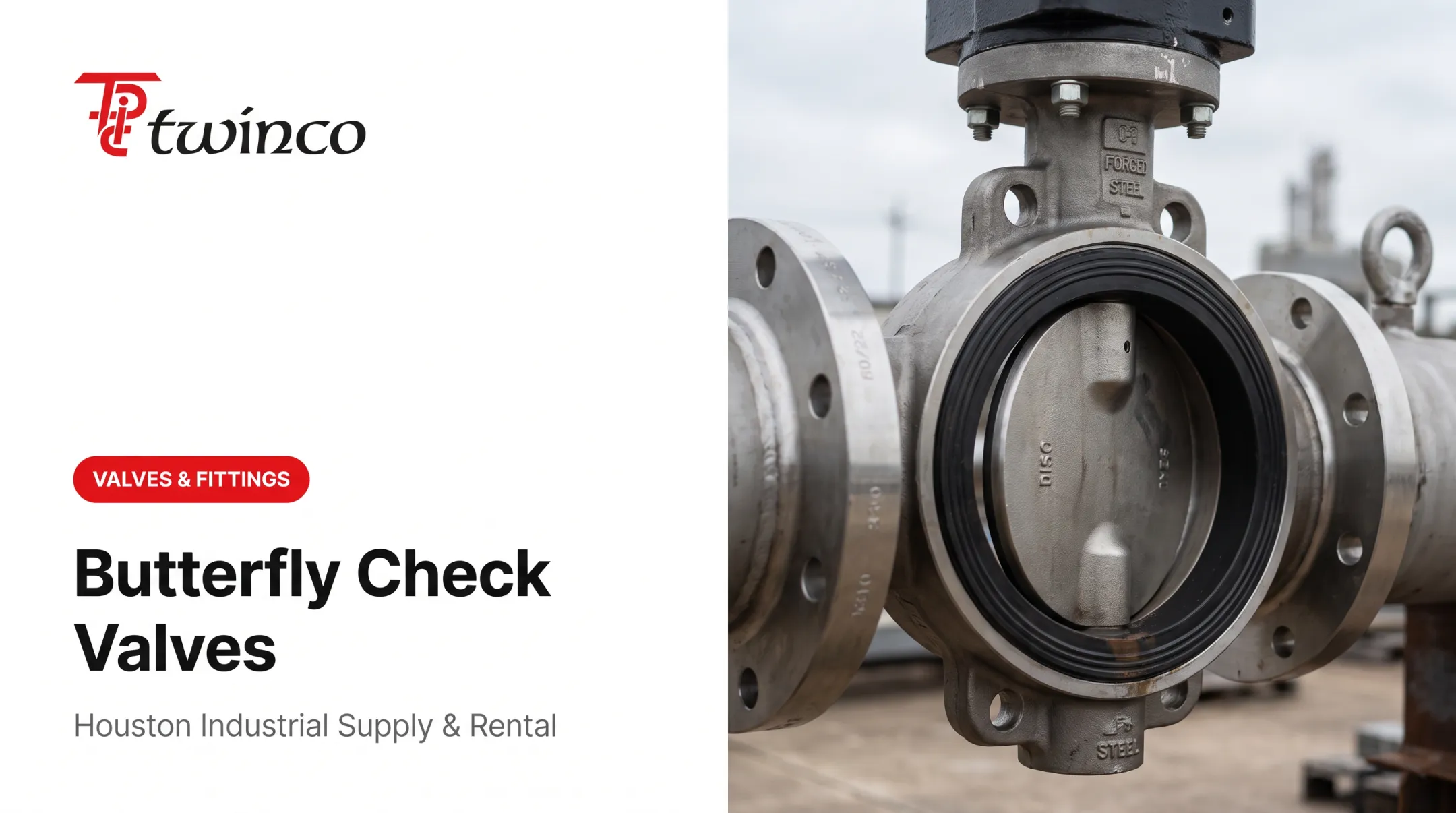
Concentric and double-offset butterfly valves both deliver quarter-turn shutoff and flow control. The difference is in where the stem and disc sit relative to the body centerline, and that difference changes everything from seat wear to actuator sizing.
For pipeline, petrochemical, water, power, and plant maintenance projects across the US, picking the wrong design can mean higher leakage risk, oversized actuators, or valves that wear out faster than the schedule allows.
This guide compares both designs across construction, sealing, pressure and temperature suitability, torque, and lifecycle cost, so you can match the valve to the job instead of guessing.
Key Takeaways
- Concentric valves center the stem, disc, and body with resilient seats for cost-effective moderate-duty shutoff.
- Double-offset valves cam the disc off the seat on opening, reducing seat rub and often extending wear life.
- Pressure class, media, cycling frequency, and lifecycle cost decide the fit; neither design always wins.
- Confirm seat material, pressure-temperature rating, and actuator torque before ordering, not just pipe size.
Concentric vs. Double-Offset Butterfly Valves: Quick Comparison
Here's how the two designs stack up across the factors that drive procurement decisions:
| Factor | Concentric Valve | Double-Offset Valve |
|---|---|---|
| Disc movement | Stem and disc stay centered; disc rubs the seat through most of the stroke | Disc lifts off the seat early in opening, reducing contact |
| Seating | Typically resilient elastomer seats | Resilient, high-performance, or metal-seated, depending on the model |
| Friction & wear | More continuous seat contact, more wear over time | Reduced rubbing lowers wear in cycling service |
| Pressure/temp range | Limited by seat elastomer and body rating | Often extended, but always verify against the specific product datasheet |
| Operating torque | Seat interference adds resistance | Cam-action typically lowers running torque |
| Initial cost | Usually lower | Usually higher, offset by longer service intervals |
The American Petroleum Institute draws the same distinction at the standards level. API 609 splits butterfly valves into Category A (manufacturer-rated valves, usually with a concentric disc and seat configuration) and Category B (ASME class and pressure-temperature-rated valves with an offset seat design), according to API's official standard listing.
A quick caution: wafer, lug, and flanged ends are mounting choices, not disc geometry. They describe how the valve installs between pipe flanges, not whether the disc is concentric or offset. Twinco Industrial, for instance, stocks concentric and double-offset butterfly valves in lug and wafer bodies, so connection style and disc design must be specified independently.
Beyond the design comparison, always check face-to-face dimensions, flange drilling, pressure class, and testing documentation. A valve can be the right geometry and still be the wrong part if the flange pattern doesn't match.
What Is a Concentric Butterfly Valve?
A concentric butterfly valve, sometimes called a centerline valve, keeps the stem axis, disc center, and body centerline all aligned. The disc rotates roughly 90 degrees, swinging from fully closed to fully open through the same central axis.
When closed, the disc compresses a resilient seat around its full circumference to create a seal. When open, the flat disc face turns parallel to flow, minimizing restriction. It's a straightforward mechanism, which is why these valves are so widely used.
Seat material drives performance here more than anything else. According to McWane's resilient-seated butterfly valve technical bulletin, common options include:
- EPDM — rated -20°F to 250°F, suited to water, alcohols, and diluted acids, but not hydrocarbons
- Buna-N (NBR) — rated 0°F to 212°F, built for hydrocarbon service like fuel oil and LP gases
- FKM (Viton) — rated 0°F to 400°F, handles some hydrocarbons and mineral acids, but not hot water
Where Concentric Valves Fit
Concentric valves work well in water distribution, HVAC systems, irrigation, and general utility service where the media is compatible with an elastomer seat. They're compact, easy to actuate manually or automatically, and cost less upfront than offset designs.
A plant maintenance team replacing a utility-water isolation valve is a good example. If the line runs clean water at moderate pressure, a resilient-seated concentric valve delivers reliable shutoff without paying for capability the application doesn't need.
Twinco stocks butterfly valves from ½ inch through 54 inches in carbon steel, stainless steel, brass, and alloy options, covering most standard water and utility applications without a custom order.
The trade-off: continuous disc-to-seat contact during operation means more friction and, over time, more seat wear — particularly in valves that cycle often or handle abrasive media. That's where offset geometry starts to matter.

What Is a Double-Offset Butterfly Valve?
A double-offset, or high-performance, butterfly valve introduces two geometric offsets. The first moves the shaft away from the centerline of the disc seal. The second offsets the shaft from the body or pipe centerline.
The result is a cam-action opening motion instead of a straight rotation. As Bray's 4-Cx technical manual describes it, this cam action "pulls the disc away from the seat" during opening, eliminating contact once the valve is open. Closing reverses the motion, pressing the disc onto the seat with a wiping action rather than sustained rubbing.
Why this matters for wear and torque:
- Less seat contact during cycling reduces friction-driven wear
- Lower running torque can mean smaller, less expensive actuators
- Certain designs self-adjust as seats wear or temperatures shift
Even with less seat contact, sealing materials still drive media and temperature limits. Arrangements vary by manufacturer: resilient seats, PTFE or high-performance elastomers, and in a smaller group, metal seating. Confirm the exact seat construction against your media and temperature range rather than assuming based on the "double-offset" label alone.
Where Double-Offset Valves Fit
Double-offset valves show up in larger water and wastewater systems, pump stations, pipeline infrastructure, and refinery or petrochemical utility service — anywhere lower wear and stronger duty-cycle performance justify the design over the valve's service life.
Consider two valves side by side: one throttles continuously on a process line, cycling dozens of times a day; the other sits mostly open on a low-cycle utility branch. The first is a strong candidate for a double-offset design, since reduced friction directly extends seat life under heavy duty. The second may not justify the added cost if it rarely moves.
Double-offset is not the same as triple-offset. Triple-offset valves add a third geometric offset, usually with a conical seat profile and metal-to-metal, torque-seated sealing. That separate design tier is generally reserved for more severe temperature, pressure, or fire-safe service than a standard double-offset valve is built to handle.

Which Butterfly Valve Is Better for Your Application? Real-World Examples
Neither design wins every job. Match the valve to the full operating envelope—media, pressure, temperature, duty, and shutoff—not the lowest bid or a single catalog rating.
Real-world examples
- Plant cooling-water isolation (moderate duty): A concentric, resilient-seated butterfly valve is usually enough for clean water, modest pressure, and infrequent open/close cycles where simple lug or wafer install and lower cost matter most.
- Hydrocarbon line with regular throttling: A double-offset valve cuts seat wear and running torque when the disc modulates often or sizes move into larger bores, which helps on midstream and process lines that cycle through the shift.
- Turnaround isolation under a hard outage window: Spec the pressure class, media compatibility, leakage class, and end connection first—then source concentric or double-offset stock that can ship before the blind-flange and hydrotest sequence starts.
Check these factors before you specify
- Media — Confirm body, disc, shaft, and seat compatibility with water, hydrocarbons, chemicals, or abrasives.
- Pressure and temperature — Use max/min operating conditions, shutoff differential, and thermal cycling—not only the nominal class.
- Duty cycle — How often it strokes, and whether it isolates or throttles.
- Shutoff and safety — Leakage class, fail position, and fire-safe needs when they apply.
- Installation — Wafer, lug, or flanged build, face-to-face length, and actuator interface against the existing pipe.
Choose concentric when:
- Resilient seat materials are compatible with the media
- Pressure, temperature, and cycle counts stay moderate
- Upfront cost and simple maintenance beat long service intervals
Choose double-offset when:
- The valve cycles often or runs in a larger size range
- Less seat rub and lower torque justify the added cost
- Lifecycle reliability matters more than purchase price
Look past both when: extreme temperature, severe pressure, or fire-safe metal sealing points you to a triple-offset valve or another style.
On a scheduled pipeline or unit turnaround, the constraint is rarely theory—it is getting the right pressure class, materials, and end connection on site before the outage window closes. Twinco Industrial stocks concentric and double-offset butterfly valves in lug and wafer builds, in carbon steel, stainless, brass, and alloy, plus the flanges, gaskets, studs, and rental blind flanges turnaround crews use on the same job.

If you are working against an urgent delivery window or a hard-to-find spec, Twinco’s valve specialists can confirm fit before you order.
Conclusion
Concentric butterfly valves remain a practical, cost-effective choice for moderate-duty services where a resilient seat handles the media and pressure without issue. Double-offset valves earn their higher price tag when reduced seat contact, larger valve sizes, or frequent cycling make wear reduction and torque savings worth the investment.
Neither design is universally superior. Match the valve to the full specification:
- Media compatibility
- Pressure and temperature limits
- Seat materials
- Shutoff class
- Actuation requirements
- Governing project standards
Verify those details against the manufacturer's data before you commit. Treat nominal pipe size and purchase price as the last factors, not the first.
Frequently Asked Questions
What is a concentric butterfly valve?
A concentric butterfly valve aligns the stem, disc center, and body centerline, using a resilient seat compressed by the disc for shutoff. It's typically used in moderate-duty water, HVAC, and utility applications.
What is an eccentric butterfly valve?
An eccentric butterfly valve offsets the shaft and disc geometry from the body centerline. The category includes single-, double-, and triple-offset designs, each with different sealing behavior.
What are the key differences between eccentric and concentric butterfly valves?
Concentric valves keep continuous disc-to-seat contact through the stroke, while eccentric designs lift the disc away from the seat during opening. This reduces friction and wear but usually adds cost and complexity.
Is a double-offset butterfly valve better than a concentric butterfly valve?
It depends on the application. Double-offset valves often handle frequent cycling and larger sizes better, but concentric valves remain a strong, economical fit for moderate-duty, resilient-seat-compatible service.
How do you choose between a concentric and double-offset butterfly valve?
Review process media, pressure and temperature ratings, cycling frequency, and required shutoff class. Match those conditions against the manufacturer's verified specifications rather than relying on nominal size alone.