Introduction
A 30-inch Class 150 ASME B16.47 flange is a large-diameter connection point used to join, isolate, or terminate piping systems in pipelines, refineries, and process plants.
At this size, standard hardware-store logic doesn't apply. You're dealing with specialized bolting patterns, series-specific dimensions, and pressure ratings that shift with material and temperature.
Many buyers assume "Class 150" is a single, universal spec. It isn't. The nominal size and class only get you started. You still need to confirm the series (A or B), facing type, material grade, bore, and documentation before a flange is fit for purpose.
This guide breaks down exactly what "30 Class 150 B16.47" means, how Series A and Series B differ, and how to specify one correctly for your project.
Key Takeaways
- "30 Class 150 B16.47" is a 30-inch flange rated ASME Class 150 under B16.47.
- Series A and Series B are not interchangeable: bolt patterns, dimensions, and weights differ.
- Class 150 pressure limits change with material group and temperature—not one fixed psi.
- Confirm series, dimensions, and certs against current ASME tables before you order.
What Are 30-Inch Class 150 ASME B16.47 Flanges?
30-inch Class 150 ASME B16.47 flanges are large-diameter steel flanges sized for NPS 30 service and rated to Class 150 under ASME’s large-diameter flange standard. Breaking down the designation:
- 30 — nominal pipe size (NPS 30), not necessarily the exact outside diameter of the pipe or flange
- Class 150 — one of six ASME pressure classes covered by the standard (75, 150, 300, 400, 600, and 900)
- B16.47 — the ASME standard governing large-diameter steel flanges
ASME B16.47 covers steel flanges from NPS 26 through NPS 60, establishing outside diameter, thickness, bolt-circle diameter, bolt-hole count, and related dimensional requirements.
According to ASME's official B16.47 standard page, the current edition is B16.47-2025. The standard is limited to weld neck and blind flange configurations. It does not cover slip-on, socket weld, or lap joint types at these sizes.
NPS 30 Falls Outside ASME B16.5
A common mistake: assuming B16.5 covers everything. It doesn't. ASME B16.5 stops at NPS 24. Anything NPS 26 and larger — including a 30-inch flange — falls under B16.47. If a quote references B16.5 for a 30-inch flange, that's a red flag worth clarifying with the supplier.
Common Configurations and Uses
Within B16.47, the two flange types are weld neck and blind. Twinco Industrial's broader flange inventory also includes slip-on, lap joint, socket weld, and threaded configurations at other sizes, but those types fall outside B16.47's scope at NPS 30.
Typical applications for 30-inch Class 150 flanges include:
- Pipeline construction and tie-ins
- Petrochemical and refinery piping systems
- Hydrostatic pressure testing
- Planned maintenance shutdowns and turnarounds
- Temporary line isolation during construction
B16.47 is a dimensional and pressure-rating standard, not a complete project specification. You'll still need to consult material standards (like ASTM), your piping design code, and, for oilfield service, API requirements before finalizing an order.
30-Inch Class 150 Flange Dimensions, Thickness, and Weight
Dimensions differ meaningfully between Series A and Series B. Below are published manufacturer engineering values for NPS 30, Class 150.
Series A Dimensions (Based on MSS SP-44)
| Dimension | Value (in) | Value (mm) |
|---|---|---|
| Overall flange diameter | 38.78 in | 985 mm |
| Weld neck / blind thickness | 2.94 in | 74.7 mm |
| Bolt-circle diameter | 36.00 in | 914.4 mm |
| Bolt-hole diameter | 1.37 in | 34.9 mm |
| Number of bolt holes | 28 | 28 |
| Length through hub | 5.38 in | 136.6 mm |
Source: Wermac ASME B16.47 Series A engineering tables.
Series B Dimensions (Based on API 605)
| Dimension | Value (in) | Value (mm) |
|---|---|---|
| Outside diameter | 34.94 in | 887.6 mm |
| Weld neck thickness | 1.69 in | 42.9 mm |
| Blind flange thickness | 1.94 in | 49.3 mm |
| Bolt-circle diameter | 33.31 in | 846.1 mm |
| Bolt-hole diameter | 0.875 in | 22.2 mm |
| Number of bolt holes | 44 | 44 |
According to Texas Flange's ANSI B16.47 Series B Class 150 dimensional table, these figures are confirmed independently by API International's engineering data.
How Thick Is a 30-Inch Class 150 Flange?
It depends entirely on series and type:
- Series A: roughly 2.94 in for both weld neck and blind configurations
- Series B: 1.69 in for weld neck, 1.94 in for blind
Facing, bore machining, and manufacturer tolerances can shift these figures slightly. Always confirm against a certified drawing.
Published Weights
Weight is not a fixed number. It swings with flange type, bore size, and facing. Published manufacturer figures include:
| Series | Type | Weight |
|---|---|---|
| Series A | Weld neck | ~450 lb (204 kg) |
| Series A | Blind | ~992 lb (450 kg) |
| Series B | Weld neck | 150 lb (68 kg) |
| Series B | Blind | 543 lb (246 kg) |
These are theoretical/nominal catalog values, not shipping weights. Corrosion allowance, bore size, and machining variations will change the actual figure. Before fabrication, verify the drawing against your mating pipe, valve, gasket, and bolt set: a mismatch at 30 inches is expensive to fix in the field.

Series A vs. Series B Flanges: Key Differences
Series A and Series B are two separate dimensional systems within the same B16.47 standard. They are not pressure classes or material grades. Series A traces back to MSS SP-44; Series B continues the API 605 lineage.
At NPS 30 Class 150, the difference is stark:
| Feature | Series A | Series B |
|---|---|---|
| Outside diameter | 38.78 in | 34.94 in |
| Bolt-circle diameter | 36.00 in | 33.31 in |
| Number of bolt holes | 28 | 44 |
| Bolt-hole diameter | 1.37 in | 0.875 in |
| Blind thickness | ~2.94 in | 1.94 in |
Series A produces a larger, heavier flange with fewer, bigger fasteners. Series B is more compact, with a smaller bolt circle and more, smaller fasteners (44 holes vs. 28).
Why This Matters for Procurement
A supplier quoting "30-inch, Class 150, B16.47" without specifying the series has left out critical information. Per Coastal Flange's technical comparison of B16.47 Series A and Series B, these two series are not interchangeable. Bolting a Series A flange to a Series B mate simply won't work.
Rules of thumb:
- Match the existing line. If you're replacing a flange, identify the series already installed before ordering.
- Never assume compatibility just because both flanges say "Class 150."
- Specify the series explicitly on every purchase order and drawing.
Material, Facing, and Service Requirements
B16.47 sets dimensions and pressure ratings. It does not specify a single approved material. Common forging grades for large-diameter steel flanges include:
- ASTM A105 / A105N for standard carbon steel forgings
- ASTM A350 LF2 for low-temperature carbon steel service
- ASTM A182 F304/F316 for stainless steel forgings
- F11, F22, and F91 chrome-moly alloys for elevated temperature service
- Duplex and super duplex grades for corrosive or high-chloride environments
- Nickel alloys such as Inconel, Monel, and Hastelloy for aggressive chemical service
Twinco Industrial's flange inventory spans this same range of grades, paired with both Series A and Series B dimensional options.
Matching Material to Service
Match the forging grade to the operating envelope before you lock the purchase order:
- Design temperature and pressure
- Fluid corrosivity and chemical compatibility
- Toughness needs, including impact testing for low-temp service
- Weldability with the mating pipe
Facing Considerations
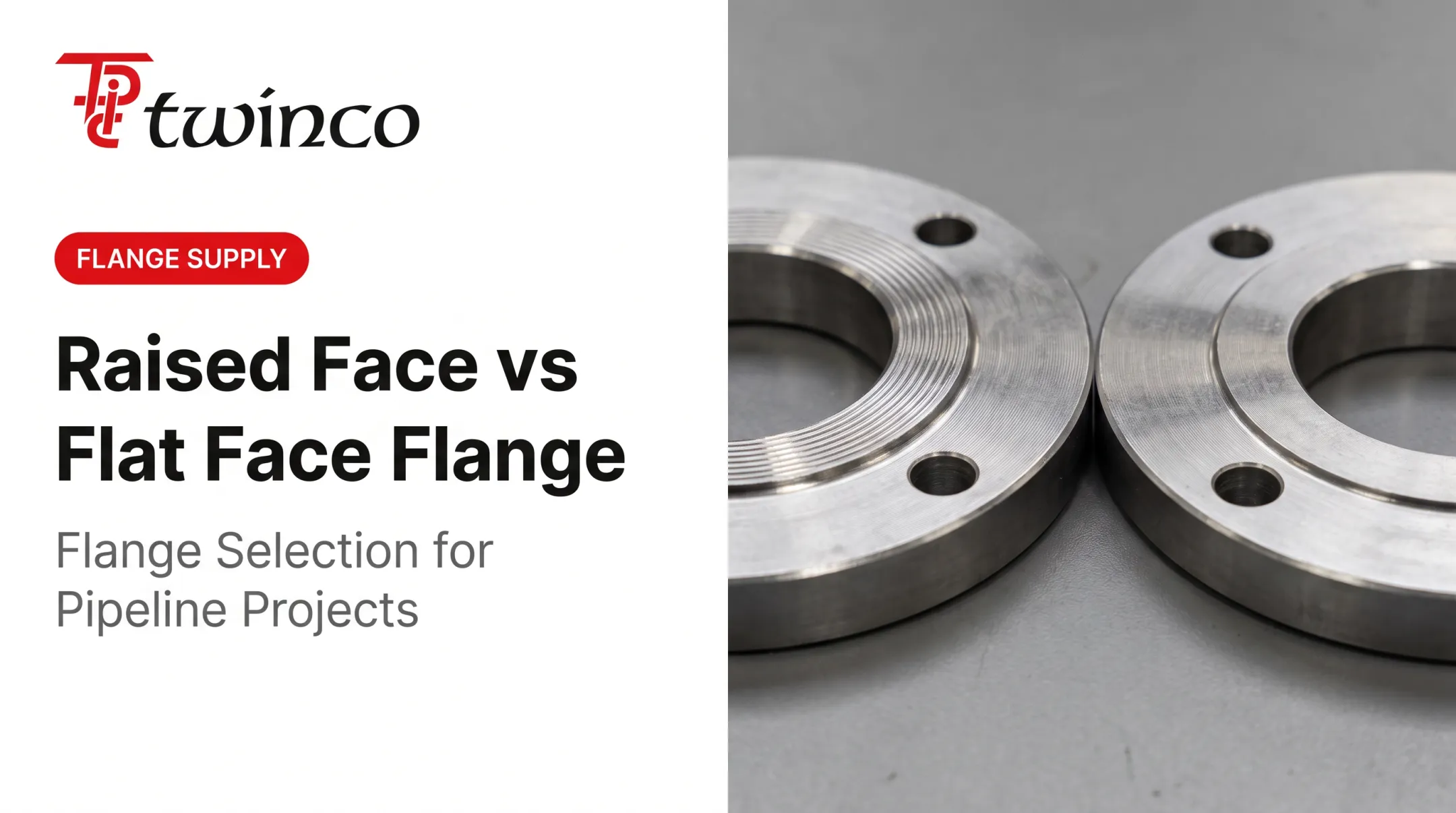
B16.47 covers raised face (RF) and ring-type joint (RTJ) facings. The facing must match the gasket, the mating flange, and the service pressure. A raised face flange cannot seal against an RTJ mate without modification.
Treat material grade, pressure class (Class 150), and dimensional series (A or B) as independent variables. A complete spec covers all three.

Confirm supporting documentation with your supplier: material test reports, heat traceability, and dimensional inspection records.
How to Choose the Correct 30-Inch Class 150 Flange
Use this checklist before finalizing a purchase order:
Flange identity and rating
- Nominal size and flange type — confirm 30-inch, weld neck or blind
- Series A or Series B — never leave this blank
- Pressure class and material group — Class 150 rating depends on both
- Facing — raised face or ring-type joint
- Bore or pipe schedule — must match the mating pipe wall thickness
Material, sealing, and hardware
- Material grade — confirmed against service temperature and fluid
- Gasket type — spiral wound, RTJ, or compressed fiber, matched to facing
- Bolting — correct stud diameter and length for the bolt-hole pattern
- Corrosion allowance — if specified by the project
- Operating temperature range — affects both material and rating
Checking the Assembly Fit
Beyond the flange itself, verify:
- Pipe outside diameter and wall thickness against the flange bore
- Valve or fitting mating dimensions
- Gasket seating surface condition
- Bolt access and tool clearance around the flange OD
- Alignment tolerance for the installed piping run
Application-Specific Notes
- Pipeline construction: weld neck flanges dominate; bore must match line pipe schedule exactly
- Pressure testing and shutdowns: teams often rent blind flanges for temporary isolation and hydrotests
- Plant maintenance: matching the existing series on the line is critical for replacement work
Only the design engineer or a qualified responsible authority should confirm final pressure-temperature ratings and code compliance. "Class 150" on a spec sheet is a starting point, not a final answer.
Common Procurement Errors
Buyers and field teams still hit these PO mistakes most often:
- Ordering the wrong series (A instead of B, or vice versa)
- Specifying a bore that doesn't match the pipe schedule
- Pairing the wrong facing with the gasket
- Supplying incomplete bolt sets (missing studs, nuts, or washers)
- Skipping material test reports or heat traceability documents
- Selecting gasket dimensions that don't match the bolt-circle and bore
How to Specify and Source 30-Inch Class 150 B16.47 Flanges
A clear purchase request avoids costly delays. Include:
- Nominal size (30 in), pressure class (150), and series (A or B)
- Standard and edition (ASME B16.47-2025 or project-required edition)
- Flange type (weld neck or blind) and facing (RF or RTJ)
- Bore or pipe schedule, plus material specification and grade
- Quantity, coating requirements, and delivery date
- Required documentation and testing (MTRs, dimensional inspection)
What Your Supplier Needs From You
To quote accurately, a supplier needs more than the size and class. Provide:
- Mating component details (pipe, valve, or blind specs)
- Service conditions (fluid, temperature, pressure)
- Project or line number and ship-to location
- Whether the flange is for purchase, rental, or temporary isolation use
Twinco Industrial supplies and rents industrial flanges, blind flanges, bolting, gaskets, valves, and fittings from ½ inch through 72 inches. Coverage includes ASME classes 150 through 2500 and Series A/B options in carbon steel, stainless, alloy, duplex, and nickel-alloy grades.
For large-diameter or hard-to-find configurations like a 30-inch Class 150 B16.47 flange, Twinco provides specialty sourcing support.
Rather than assuming a given configuration sits on the shelf, request confirmation of the exact series, facing, material, documentation, and lead time before committing to a delivery schedule.

Frequently Asked Questions
Is a 30-inch flange covered by ASME B16.5 or B16.47?
ASME B16.5 covers NPS ½ through 24. A 30-inch flange falls under ASME B16.47, which governs NPS 26 through 60.
Can I substitute Series A for Series B on the same line?
No. The two series have different outside diameters, bolt-circle diameters, and bolt-hole counts. They are not interchangeable without engineered verification.
What does "Class 150" actually rate the flange for?
Class 150 is a pressure-temperature designation that varies by material group. There's no single PSI figure — check the applicable B16.47 rating table for your specific material and temperature.
How much does a 30-inch Class 150 flange weigh?
Published values range from roughly 150 lb (Series B weld neck) to nearly 992 lb (Series A blind). Actual weight depends on bore, facing, and manufacturer tolerances.
Does Twinco Industrial stock 30-inch Class 150 B16.47 flanges?
Twinco carries flanges from ½ inch through 72 inches across multiple ASME classes and series. Contact the team to confirm current availability, series, and lead time for your specific configuration.