Introduction
Reverse flow in a piping system doesn't announce itself. A pump trips, a compressor cycles down, or pressure shifts in a parallel line, and suddenly fluid is moving the wrong way through equipment that was never built to handle it.
Backflow damages pumps, stresses compressor internals, and can trigger pressure surges that ripple through the rest of the system.
API 594 dual-plate wafer check valves address this in a compact package. Their thin, spring-assisted design fits into tight face-to-face spaces where a bulkier swing check valve won't, cutting weight and installation cost without giving up protection.
This guide is for engineers, EPC and procurement teams, pipeline contractors, maintenance planners, and plant operators selecting or replacing check valves. It covers what API 594 governs, how the dual-plate mechanism works, the specs that matter before you order, and what to check during installation.
Key Takeaways
- Confirm the current API 594 edition and your project's design, dimensional, and testing clauses before you specify
- Dual-plate wafer valves shut with two spring-assisted plates that swing toward the center of the flow path
- Size on pressure class, materials, temperature, and seat design—not pipe size alone
- Correct flow direction, flange alignment, and gaskets decide whether the installation holds
What Is API 594 and How Do Dual-Plate Wafer Check Valves Work?
API 594 is the API standard covering check valves in flanged, lug, wafer, and butt-welding configurations. The 9th edition, published in 2022, carries an API Monogram effective date of August 1, 2022. Confirm which edition your project specification calls out. Older contracts may still reference an earlier edition.
A check valve does one job: it lets flow move in the intended direction and closes when that flow reverses, protecting pumps, compressors, and downstream equipment from backflow damage.
How the Dual-Plate Mechanism Works
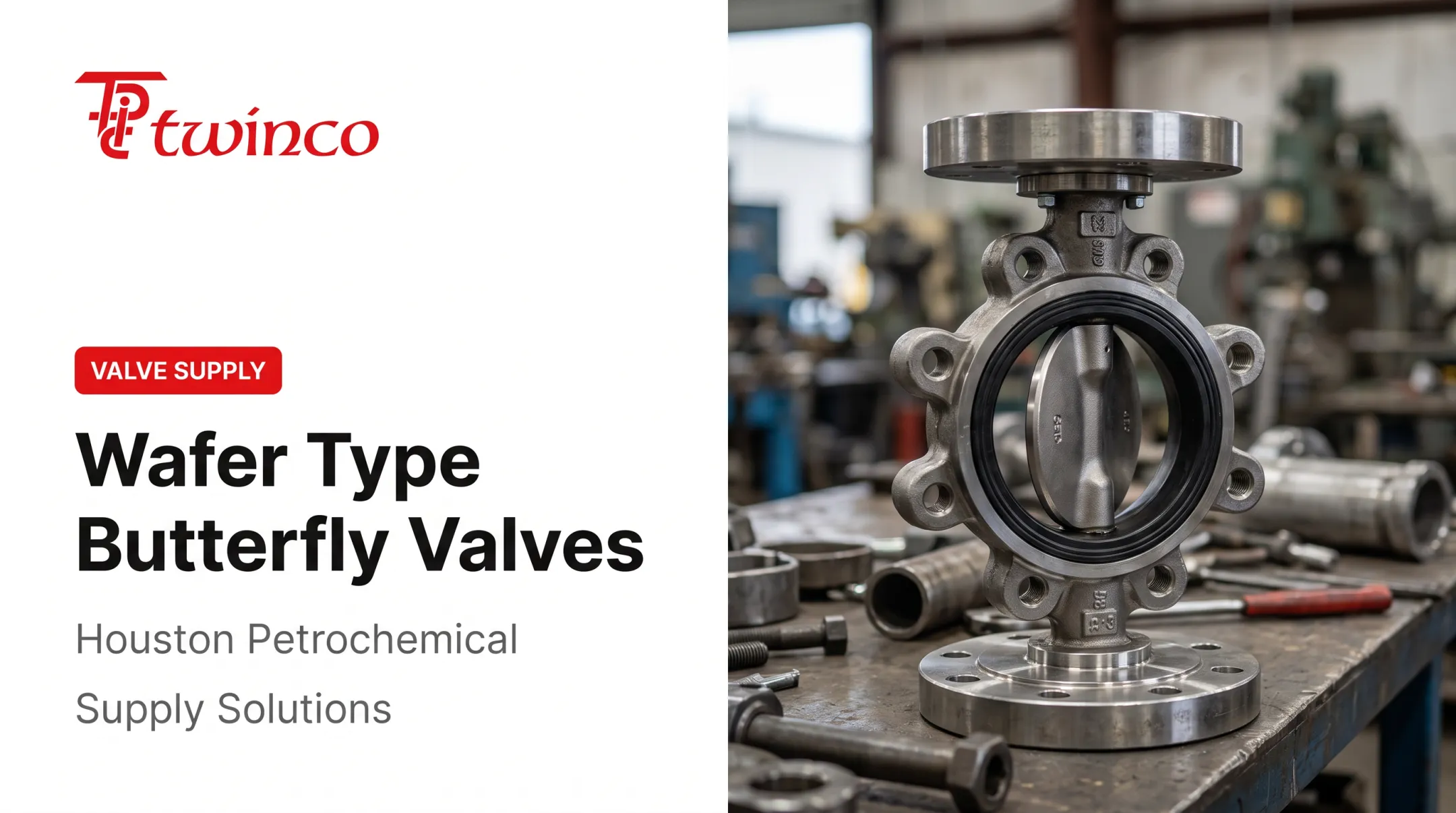
A dual-plate wafer check valve replaces the single disc or swinging clapper found in older designs with two semicircular plates mounted on a central hinge pin. Construction details vary by manufacturer, but the core components are consistent:
- Body – a short, wafer-shaped shell that fits between two mating flanges
- Two hinged plates – split the flow area in half, each pivoting independently
- Hinge/pivot assembly – the central pin the plates swing around
- Torsion springs – assist plate closure rather than relying on backpressure alone
- Seats and sealing surfaces – where the plates land when closed
Forward flow pushes the plates open against spring tension. As flow slows or reverses, the springs and the reversing pressure differential drive the plates back toward the seats. Manufacturer literature describes an off-center spring arrangement that lifts the plate's heel off the seat first during opening, intended to reduce seat wear over repeated cycles.

Wafer Footprint vs. Flanged Bodies
The wafer body's short face-to-face dimension is the main draw. It weighs less than a bolted-bonnet or flanged check valve of the same size and takes up less pipe run, which helps on retrofits or racks where every inch is already claimed.
The tradeoff: a wafer valve has no flanges of its own, so it depends entirely on the mating pipe flanges for support and sealing. Confirm the mating flange rating and facing before ordering.
Some manufacturers market these valves as reducing pressure drop and helping avoid slam-related water hammer, since the spring-assisted plates close before flow fully reverses. Treat this as a design characteristic to verify against specific manufacturer test data, not a universal guarantee. Closure behavior depends on line size, velocity, and system dynamics.
Key Specifications to Review Before Ordering
Nominal pipe size and pressure class are selected together, then checked against the pressure-temperature rating for the body and trim materials.
Flange and Dimensional Compatibility
Mating flanges typically follow ASME B16.5 for sizes NPS ½ through NPS 24, or ASME B16.47 for larger diameters. Some dual-plate models are rated only for flat-faced flanges with a specific gasket thickness. Don't assume raised-face compatibility without checking the manufacturer's installation manual.
Material Selection
Body, plates, springs, hinge pins, seats, and fasteners all need to match the fluid chemistry and operating environment:
- Corrosion exposure from the process fluid or ambient conditions
- Operating and design temperature limits for each component
- Erosion risk from solids, high velocity, or two-phase flow
- Project-specific material specs (stainless grades, duplex, nickel alloys)
Service Conditions to Hand the Supplier
A supplier can't recommend the right valve without knowing how it will run. At minimum, provide:
- Fluid or gas type and its corrosive or erosive properties
- Normal and maximum operating pressure
- Operating and design temperature
- Flow direction and expected velocity
- Cycling frequency and duty type
- Reverse-flow or surge conditions the valve may see
Seat Options and RFQ Checklist
Resilient seats generally give tighter shutoff at lower pressure and temperature; metal seats hold up better under heat, abrasion, or fire-safe requirements. Before sending an RFQ, confirm you can answer each of these:
- Size, pressure class, and wafer dimension
- Body, trim, and seat materials
- Required testing (hydrostatic, seat leakage, per API 598 or similar)
- Certifications and material traceability documents
- Bolting specification and coating requirements
- Fugitive-emissions, sour-service (NACE MR0175/ISO 15156), or fire-safe requirements, if applicable
API 594 Versus Other Check Valve Standards
API 594 covers check valves, including wafer, wafer-lug, and flanged configurations. API 600 covers bolted-bonnet steel gate valves with flanged and butt-welding ends. They're not interchangeable, and a dual-plate wafer check valve should never be specified against API 600.
Meeting API 594 satisfies design, dimensional, and basic testing requirements. It doesn't automatically cover everything a project needs. Confirm separately whether your job requires material certification beyond the baseline, fire testing, fugitive-emissions testing, or sour-service material limits under NACE MR0175/ISO 15156.

Dual-plate wafer checks also differ from other common check mechanisms:
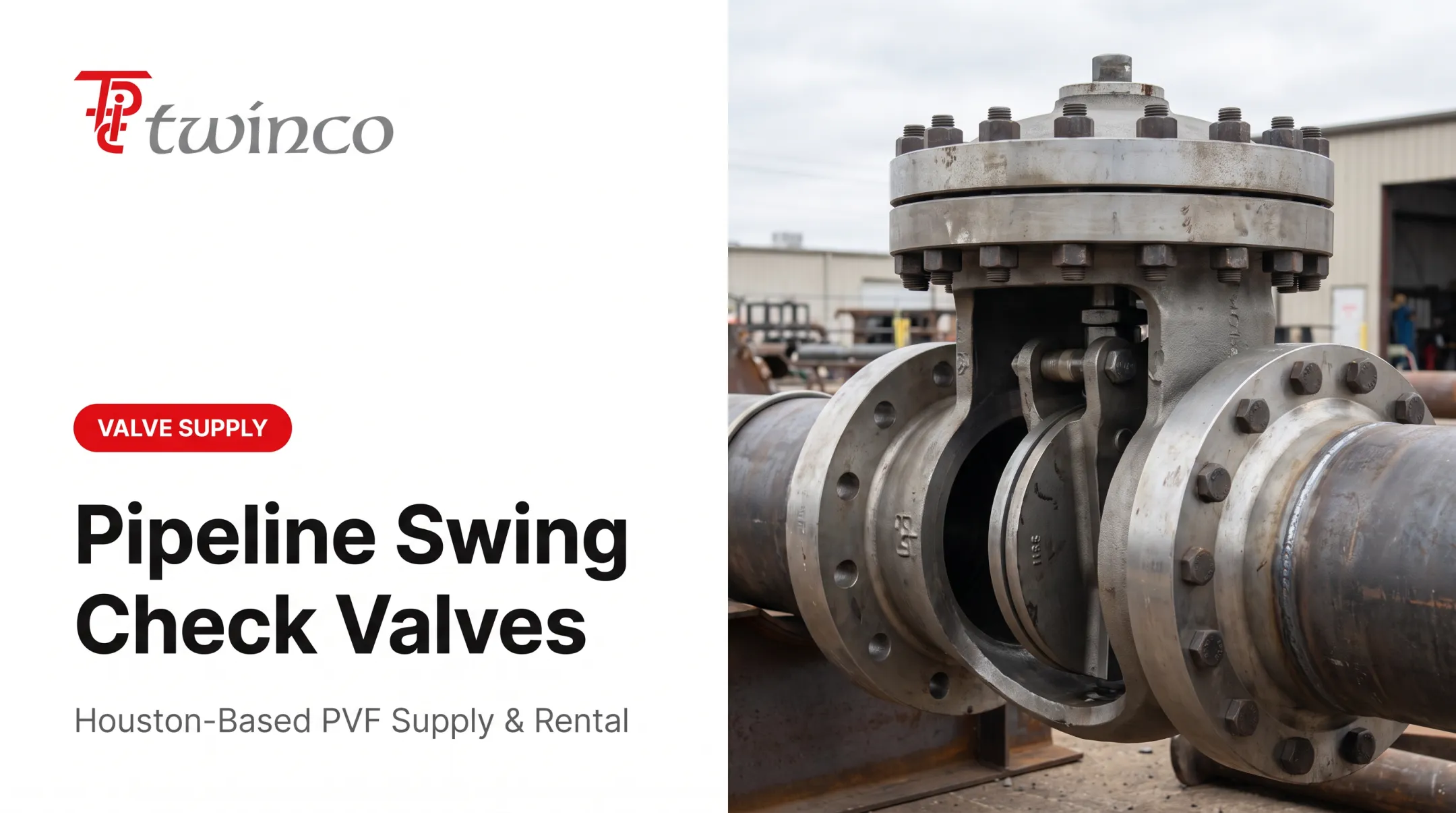
- Swing check valves use a single hinged disc and a larger internal cavity. Simple, but bulkier for the same line size.
- Lift check valves use a piston-style disc guided along the flow axis, often paired with damping for pulsating service.
- Axial/nozzle check valves use a spring-loaded poppet centered in the flow stream and generally fall outside API 594's scope.
The right mechanism depends on the application, not just familiarity with one design.
Applications and System-Fit Considerations
Dual-plate wafer check valves show up across many industrial systems:
- Pipeline transmission and gathering lines
- Refinery and petrochemical process piping
- Water and utility systems
- Power plant piping
- Pump discharge lines
Suitability still depends on media and operating conditions. A valve rated for clean water isn't automatically right for sour gas or a high-solids slurry.
Where the Compact Footprint Pays Off
The wafer format earns its keep in tight quarters: retrofits into existing flanged piping, pipe racks with limited room, or projects where installed weight matters.
A wafer valve is only as good as the flanges holding it in place. Confirm they're correctly rated and properly aligned before the valve goes near the pipe run.
System Dynamics Worth an Engineering Review
Some conditions deserve a closer look before finalizing valve selection:
- Pump start-up and shutdown transients that reverse flow quickly
- Compressor discharge pulsation that can chatter the plates
- Parallel pump operation and unexpected flow reversals
- Pressure surge and water hammer risk on sudden stoppage
Val-Matic's guidance on check valve selection notes that a pump discharge check valve must open automatically for forward flow and close to prevent reverse flow, while also protecting against surges caused by sudden closure.
That's the core tension in sizing: a valve too slow to close lets backflow build momentum; one that slams shut too hard can generate its own surge.

A Practical Selection Example
Picture a pump discharge line replacing an aging swing check that's started chattering under normal flow.
Before quoting a replacement, the supplier needs the current pump curve, line size and pressure class, fluid data, and any surge history pulled from operating logs and the original piping spec.
That data set, not nominal pipe size alone, determines whether a dual-plate design fits or a different mechanism handles the transient better.
Installation, Inspection, and Maintenance Guidance
Before the Valve Goes In
Check each of these before the valve leaves the crate:
- Correct size and pressure class match the line
- Flow arrow on the body matches intended flow direction
- Material identification tags match the purchase order
- Test documentation and certificates are on hand
- Seats show no shipping damage and plates move freely
- Mating flange faces are clean and free of debris
Installation Requirements
Orientation matters more than it seems. Most dual-plate designs need the hinge pin vertical, and even in a vertical pipeline, some manufacturers still require horizontal body orientation with upward flow. Check the specific IOM for your model rather than assuming one rule applies across brands.
After orientation is set, handle the rest of the install with the same care:
- Align piping so the valve is not forced into place or left carrying pipe loads
- Use the gasket specified for the mating flange facing
- Tighten flange bolts evenly in the pattern called out by the flange spec
Commissioning and Ongoing Maintenance
Bring the system up to pressure gradually rather than opening to full flow immediately. During startup:
- Watch for leaks at flange joints and body seams
- Verify plate movement where the design allows confirmation
- Listen for abnormal noise, chatter, or vibration
- Confirm the valve closes as expected once flow drops or reverses
There's no single universal maintenance interval—manufacturer instructions and site procedures set the schedule.
Inspect internally when you see any of these signs:
- Leakage past the seats
- Unexplained pressure drop
- Chatter, corrosion, or seat damage
- Spring fatigue
- Repeated reverse-flow events
Follow the manufacturer's IOM and site safety procedures for any isolation or internal work.
Sourcing API 594 Dual-Plate Wafer Check Valves
A supplier quote should give enough detail for a real comparison, not just a price. Ask for:
- Manufacturer and model number
- A written compliance statement for the current API 594 edition
- Full dimensional data and pressure-temperature ratings for the specific materials quoted
- Body, trim, and seat material certifications
- Test reports (hydrostatic, seat leakage, and any project-specific testing)
- Delivery timing and interchange information for existing valves
Twinco Industrial has supplied industrial valves and piping components to petrochemical, pipeline, and construction customers since 1977. That includes carbon steel, stainless, and high-alloy valve options across a wide size range, alongside the flanges, gaskets, fittings, and bolting that go into the same piping system.
Twinco also specializes in locating oversized or hard-to-find components when a standard catalog search comes up empty. That matters when a replacement valve needs to match an old spec no longer in wide production, or when a project timeline doesn't leave room for a long lead time.
If you need an API 594 dual-plate wafer check valve, contact Twinco Industrial to review your specification, confirm material and documentation needs, and source the valve with any related flanges, gaskets, or bolting.
Frequently Asked Questions
What is API 594 for check valves?
API 594 is the standard covering check valves in flanged, lug, wafer, and butt-welding configurations, including design, materials, dimensions, and testing. Confirm the current edition and your project’s specific clauses before specifying against it.
What are the key differences between API 600 and API 594 valve standards?
API 594 covers check valve designs, including wafer and dual-plate configurations, while API 600 covers bolted-bonnet steel gate valves. The two standards address different valve types and aren't interchangeable.
What are the three types of check valves?
The three primary types are swing, lift, and dual-plate (wafer) check valves. Classification can vary by manufacturer, and designs such as axial and nozzle checks are also widely used.
How does a dual-plate wafer check valve work?
Forward flow pushes two spring-loaded plates open around a central hinge pin. As flow slows or reverses, spring tension and the reversing pressure differential drive the plates back toward their seats.
How do you select an API 594 dual-plate wafer check valve?
Match size, pressure class, and body/trim materials to temperature, media, and flow conditions, then confirm seat design plus required testing and documentation. Verify each item against the manufacturer’s current data and your project spec.
What should be checked before installing an API 594 check valve?
Verify flow direction, flange compatibility and alignment, gasket selection, even bolt tightening, and material identification. Follow the manufacturer's installation instructions for orientation and clearance requirements.